
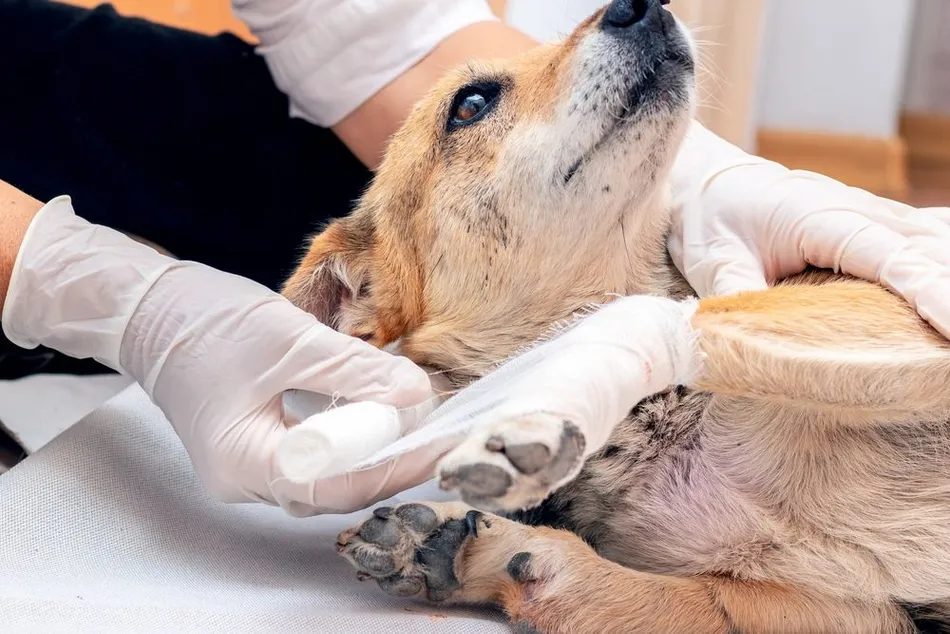
You might be feeling that familiar knot in your stomach, the one that shows up when your pet seems a little off and you cannot tell if it is something minor or the start of a real crisis. One minute your dog is skipping dinner, your cat is hiding more than usual, or your puppy has a sudden limp. The next minute, you are searching symptoms, worrying about cost, and wondering if waiting until morning could make things worse. That tension is real, and it wears on you fast. If you are looking for guidance from a Lansdale, PA veterinarian, you are not alone.
In many cases, The Role Of Urgent Care In Preventing Pet Emergencies comes down to one simple truth. Early care often keeps a manageable problem from turning into a midnight emergency. When pets get timely attention for vomiting, minor wounds, ear infections, breathing changes, or sudden pain, they often avoid added suffering, more invasive treatment, and a much higher bill. That is where pet urgent care can make a meaningful difference.
Why do small symptoms turn into bigger pet emergencies so quickly?
Pets are good at hiding discomfort, which means the first signs you notice may already reflect a problem that has been building. A small cut can become infected. Mild vomiting can lead to dehydration. A limp after rough play can point to a strain, a torn nail, or even a fracture. Because of this, you might wonder whether it is safer to wait and watch or get help right away.
The hard part is that waiting sometimes works, until it does not. A dog with diarrhea may seem tired but stable in the afternoon, then become weak and dehydrated by evening. A cat with urinary trouble may only visit the litter box more often at first, but a blockage can become life threatening within hours. That is why animal urgent care fills an important space between routine vet visits and full emergency hospitals.
This kind of care is not for every issue, and it is not meant to replace emergency medicine. It helps with problems that need prompt attention but may not require the highest level of critical care right away. In other words, urgent care can catch trouble while there is still time to treat it before it spirals.
How does urgent care help prevent a crisis instead of just reacting to one?
When a pet is seen early, the care team can assess pain, hydration, breathing, mobility, and signs of infection before those issues become severe. That early exam can lead to simple steps such as fluids, wound cleaning, anti nausea medicine, pain relief, imaging, or a same day treatment plan. The goal is not only to help your pet feel better now, but also to reduce the risk of collapse later.
Think about a few common situations. Your dog eats something questionable and starts vomiting. Your cat stops jumping and seems sore. Your puppy develops a cough after boarding. These problems may not look dramatic at first, yet they can worsen quickly if they are ignored. Timely care can identify whether the issue is mild irritation, an infection, an injury, or the start of something more serious.
If you want to be ready before stress clouds your judgment, it helps to review trusted guidance on pet emergency preparedness. It is also wise to learn basic pet first aid, so you know what you can do at home while getting professional help lined up.
When should you monitor at home, and when is urgent care the better call?
| Situation | Monitor at Home | Choose Urgent Care |
| Mild stomach upset | One isolated episode, still drinking, acting mostly normal | Repeated vomiting or diarrhea, lethargy, blood, signs of dehydration |
| Limping | Brief limp that improves with rest | Persistent pain, swelling, refusal to bear weight, crying out |
| Skin wound | Very small surface scrape, no swelling, no bleeding | Puncture, bite, swelling, bleeding, redness, discharge |
| Breathing changes | Occasional mild cough, otherwise normal | Labored breathing, fast breathing, blue gums, distress |
| Urination issues | Minor change once, no pain, normal behavior | Straining, frequent attempts, crying, no urine produced |
So, where does that leave you when your pet seems unwell but not in obvious danger? A simple comparison can help.This table is a guide, not a diagnosis. If your instincts tell you something is wrong, that matters. You know your pet’s normal rhythm better than anyone, and sudden changes often deserve prompt attention.
What can you do right now to lower the odds of a true emergency?
1. Track the change, not just the symptom.
Write down when the problem started, how often it is happening, and what else has changed. Is your pet eating less, hiding, panting, limping, or drinking more water? Clear details help a care team decide how urgent the issue is, and they can lead to faster treatment.
2. Build a plan before you need one.
Keep your regular vet’s contact information, the nearest emergency hospital, and a trusted urgent care option in your phone. Save your pet’s vaccine history, medication list, and any chronic conditions in one easy place. In a stressful moment, even small preparation can spare you precious time.
3. Do basic first aid, then seek timely care.
Use a towel to control minor bleeding, prevent licking with a cone if you have one, and keep your pet calm and contained. Do not give human medications unless a veterinary professional tells you to. Home care can support your pet for the moment, but it should not replace prompt evaluation when symptoms are escalating.
Could timely animal urgent care save stress, suffering, and cost?
In many cases, yes. The earlier a problem is addressed, the more options you usually have. That can mean simpler treatment, less pain for your pet, and fewer hours spent in panic. It can also help you avoid the heartbreak of realizing a treatable issue became a crisis because the warning signs were easy to miss.
Your pet depends on you to notice when something is not right, and you do not have to sort through that uncertainty alone. If your pet is showing signs that cannot wait for a routine appointment, seek Animal Urgent Care as soon as you can. Acting early is often the kindest step you can take.

A Relationship Manager for Celebrities’. Sharing my knowledge about your favorite celebrities’ son, kids and family