
You live several floors up, your pet hates the carrier, the elevator is slow, and one lobby meltdown can turn a simple vet visit into a full day of stress. If that sounds familiar, you are not overreacting. For many pet owners, getting to a clinic from a high-rise apartment is the hardest part of care, especially when a cat bolts at the sound of the carrier door or an older dog struggles with long walks, stairs, and slick building floors. In situations like these, working with a mobile veterinarian in Monroe, LA can make care much easier and far less stressful for both you and your pet.
That is why how mobile veterinarians examine pets in high rise apartments matters. A home visit changes the setting, not the standard of care. A mobile veterinarian still checks your pet from nose to tail, asks about symptoms, reviews behavior and appetite, listens to the heart and lungs, and looks for signs of pain, illness, or injury. The difference is that the exam happens where your pet feels safer, which often means a calmer, more accurate visit.
Mobile veterinarians adapt the exam to apartment living
High-rise homes create challenges that do not exist in a single-family house. Space is tighter. Noise carries. Pets hear hallway traffic, elevators, delivery carts, and neighbors at the door. Some animals stay on alert the entire time. Others hide under beds the second they sense change. A skilled mobile veterinarian plans for that.
Most visits start before the doctor even arrives. You may be asked to keep your pet in one room, put away other animals, clear a small area with good light, and have a list of medications ready. That preparation helps the exam move smoothly and cuts down on the chase that so many owners dread.
Once inside, the veterinarian usually begins by watching your pet without forcing contact. That first minute tells a lot. Is your cat crouched and breathing fast? Is your dog limping when turning on hardwood floors? Does your pet seem alert, dull, restless, or painful? In a clinic, some of those details get blurred by fear. At home, they are easier to see.
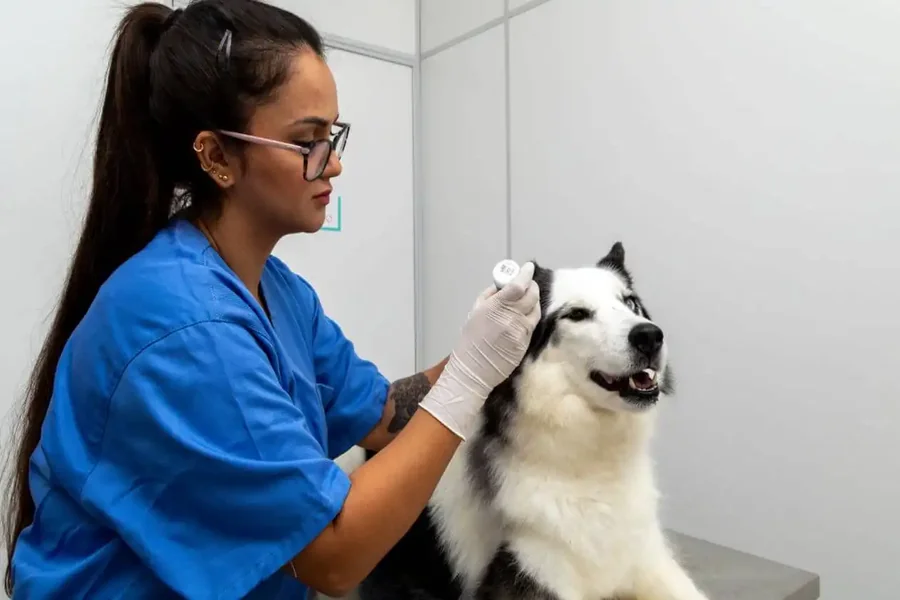
Then comes the hands-on exam. A mobile vet for apartment pets typically checks weight or body condition, eyes, ears, teeth, skin, coat, hydration, lymph nodes, abdomen, joints, heart rate, lung sounds, and temperature when needed. If your pet is nervous, the vet may break the exam into smaller parts, pause between steps, or examine your pet on a couch, rug, windowsill, or your lap if that is the safest option.
At-home exams can reduce stress for pets and owners
Stress changes behavior, and behavior affects care. Texas A&M Veterinary Medicine explains that stressful situations for pets can trigger shaking, hiding, vocalizing, pacing, and even physical problems. You have probably seen that yourself. A cat who acts fine at home can look aggressive at the clinic. A dog who normally eats well can refuse treats and pant through the entire appointment.
That matters because the exam is not just about collecting data. It is also about seeing your pet as they really are. In a high-rise apartment, a house call can help the veterinarian notice environmental factors too, such as litter box placement, food and water access, traction issues for senior pets, balcony safety, and whether anxiety spikes when hallway noise starts.
There is also the owner side of this. You may be juggling work calls, kids, building access rules, and a pet who senses every bit of your stress. Home visits remove the carrier fight, the car trip, the waiting room, and the walk back upstairs with a pet who is now more upset than before. That alone can make routine care easier to keep up with.
Mobile veterinary care has clear strengths and real limits
Home visits are practical, but they are not the answer for every case. If your pet needs immediate surgery, advanced imaging, oxygen support, or intensive hospitalization, a clinic or emergency hospital is still the right place. The value of a high-rise apartment pet exam is that it brings a large part of routine and urgent assessment to your door, while helping you decide when a higher level of care is needed.
| Care Setting | Best For | Main Advantages | Main Limits |
|---|---|---|---|
| Mobile veterinarian | Wellness exams, senior pet checks, skin issues, mild illness, follow-ups, quality of life visits | Less transport stress, easier handling, home environment insight, helpful for pets in high-rise buildings | Limited access to surgery, hospitalization, and some diagnostics on site |
| Traditional clinic | Routine care, diagnostics, imaging, procedures, urgent but stable cases | More equipment, support staff, broader treatment options in one place | Travel stress, waiting room triggers, harder for mobility-limited pets and owners |
| Emergency hospital | Breathing trouble, collapse, seizures, major trauma, toxin exposure, severe pain | Immediate intervention, monitoring, surgery, intensive care | Highest stress setting, highest cost, not designed for routine visits |
You also need a plan for true emergencies. The CDC offers guidance on pet emergency preparedness, which is especially useful when you live in a large building where elevators, exits, and access can change fast. If there is a chemical spill, smoke event, or hazardous exposure in or near your building, review the CDC advice on protecting pets during chemical emergencies.
Simple steps make a mobile veterinarian visit smoother
Set up one calm exam space. Choose a quiet room with a door, decent light, and a flat surface nearby. Put dogs on leash before the knock at the door. Leave cats in the room at least 15 to 20 minutes before the appointment so they do not disappear under furniture at the last second.
Write down changes before the visit. Appetite, thirst, vomiting, coughing, litter box changes, limping, itching, sleep habits, and weight shifts are easy to forget when you are worried. A short list helps the veterinarian focus on what changed first and what got worse after that.
Know when home care is not enough. Trouble breathing, repeated seizures, collapse, heavy bleeding, major trauma, or suspected poisoning need emergency treatment right away. Mobile veterinary care helps many pets, but some problems need hospital equipment without delay.
Comfort and access can improve the quality of care
When pets stay in the place they know, the exam often becomes simpler, gentler, and more useful. You are not dragging a frightened cat through a lobby or carrying an arthritic dog across hot pavement. You are meeting your pet where they live, and that can change the whole tone of care.
If routine clinic trips have become a battle, a mobile veterinarian may be the practical next step. The right visit can lower stress, catch problems earlier, and make regular care feel possible again.

A Relationship Manager for Celebrities’. Sharing my knowledge about your favorite celebrities’ son, kids and family