
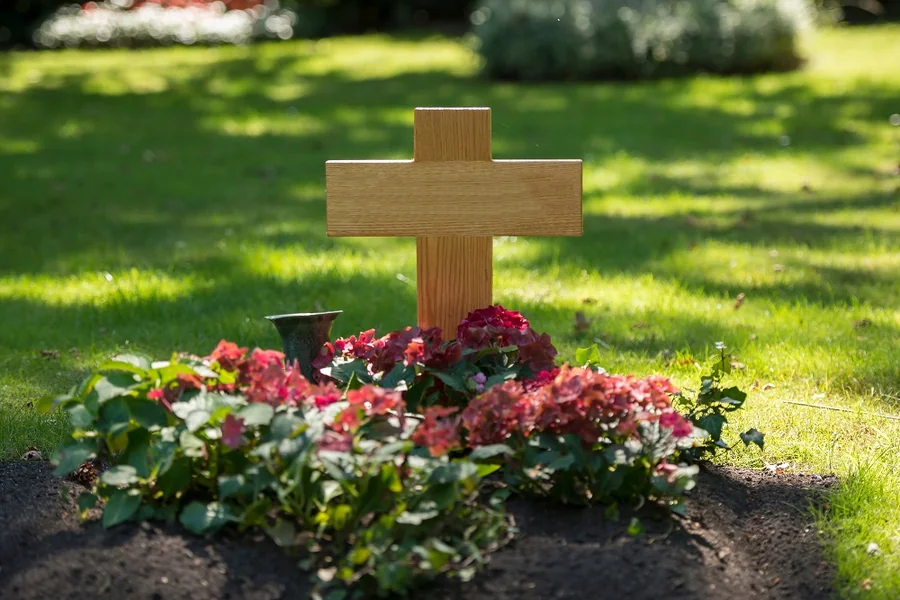
When someone we love passes away, the memories they leave behind can become some of the most treasured parts of our lives. A memorial provides a way to honor those memories and create something that keeps their presence connected to the people who knew them best.
A meaningful memorial does not have to follow a traditional format. It can be something that grows, something that can be held, something that tells their story, or something that reflects what made them unique. Choosing a personal tribute can turn memories into a lasting reminder of a life that mattered.
Living Memorials
A tree, flower, or garden can become a living tribute that changes with the passing seasons. Watching new leaves appear, flowers bloom, or a tree grow taller can create a comforting reminder that the love someone leaves behind can continue in different ways.
For families who choose cremation, planting can also provide a thoughtful way to incorporate ashes into a living memorial. Using ashes in planting is one option for those looking for a more personal way to create a lasting tribute, including the approach introduced by Let Your Love Grow. Before planting, the ashes can be prepared with appropriate planting materials to create a more suitable environment for the plant. Taking the time to prepare the ashes properly helps create a meaningful foundation for incorporating them into a living memorial.
A living memorial can also become a place for quiet reflection. Family members may return to it on birthdays, anniversaries, holidays, or ordinary days when they simply want to feel close to someone they miss.
Memorial Stones or Plaques
Sometimes, a few carefully chosen words can carry an entire lifetime of meaning. A memorial stone or plaque can feature a loved one’s name, important dates, favorite saying, or a short message that captures what they meant to their family. These markers can be placed beside a tree, within a garden, near a favorite outdoor space, or somewhere else that holds special significance. The simplicity of a stone or plaque can also be part of its appeal. It does not need to be elaborate to feel meaningful. A personalized message can make an otherwise simple marker deeply connected to the person being remembered.
Memory Books
Some of the most valuable things a person leaves behind cannot be displayed in a single photograph. Their stories, expressions, traditions, handwritten notes, and the little moments that made family life special can all become part of a memory book. Family members and friends can contribute photographs, letters, favorite sayings, and personal memories. Each contribution adds another perspective and helps create a fuller picture of the person behind the memories.
A memory book can also grow over time. New stories may surface during family conversations, and future generations can add their own memories as they learn more about the person. In this way, the book becomes more than a memorial. It becomes part of the family’s history.
Memorial Jewelry
For some people, remembrance feels most meaningful when it can be carried with them. Memorial jewelry offers a small and personal way to keep a connection close through an item that can become part of everyday life.
A necklace, bracelet, ring, or other keepsake can feature initials, dates, symbols, or designs that have personal significance. Some pieces are also created to hold a small amount of cremation ashes, giving families another way to preserve a tangible connection. Because memorial jewelry can be worn privately or shared openly, it can suit different ways of grieving and remembering. A simple piece may quietly remind someone of a loved one throughout their day.
Memorial Artwork
Art can capture feelings and memories in ways that words sometimes cannot. A custom painting, drawing, sculpture, or other piece of artwork can reflect a loved one’s personality, favorite place, passion, or an especially meaningful moment. It can also transform a cherished memory into something the family can see and appreciate for years to come.
A portrait can preserve their likeness, while a landscape might recreate a place they loved visiting. A more symbolic piece could use colors, objects, or imagery associated with their life. These details can make the finished artwork feel deeply personal rather than simply decorative, while giving family members a unique way to celebrate the person’s individuality.
Memorial artwork can also become a lasting part of the home. Each time family members see it, they may be reminded of a story, a shared experience, or a quality they admired in the person who inspired it. Over time, the artwork can become a treasured part of the space and a lasting reminder of the memories they continue to hold close.
Final Thoughts
A memorial cannot replace someone, but it can give their loved ones a meaningful way to carry their memory forward. The process of choosing or creating a tribute can also become a way to celebrate the life they lived rather than focusing only on the loss. Whether it grows in the ground, rests on a shelf, hangs on a wall, or stays close to someone’s heart, a memorial can become a lasting expression of love. The most important part is not how elaborate it is, but how sincerely it reflects the person and the memories they left behind.

A Relationship Manager for Celebrities’. Sharing my knowledge about your favorite celebrities’ son, kids and family