
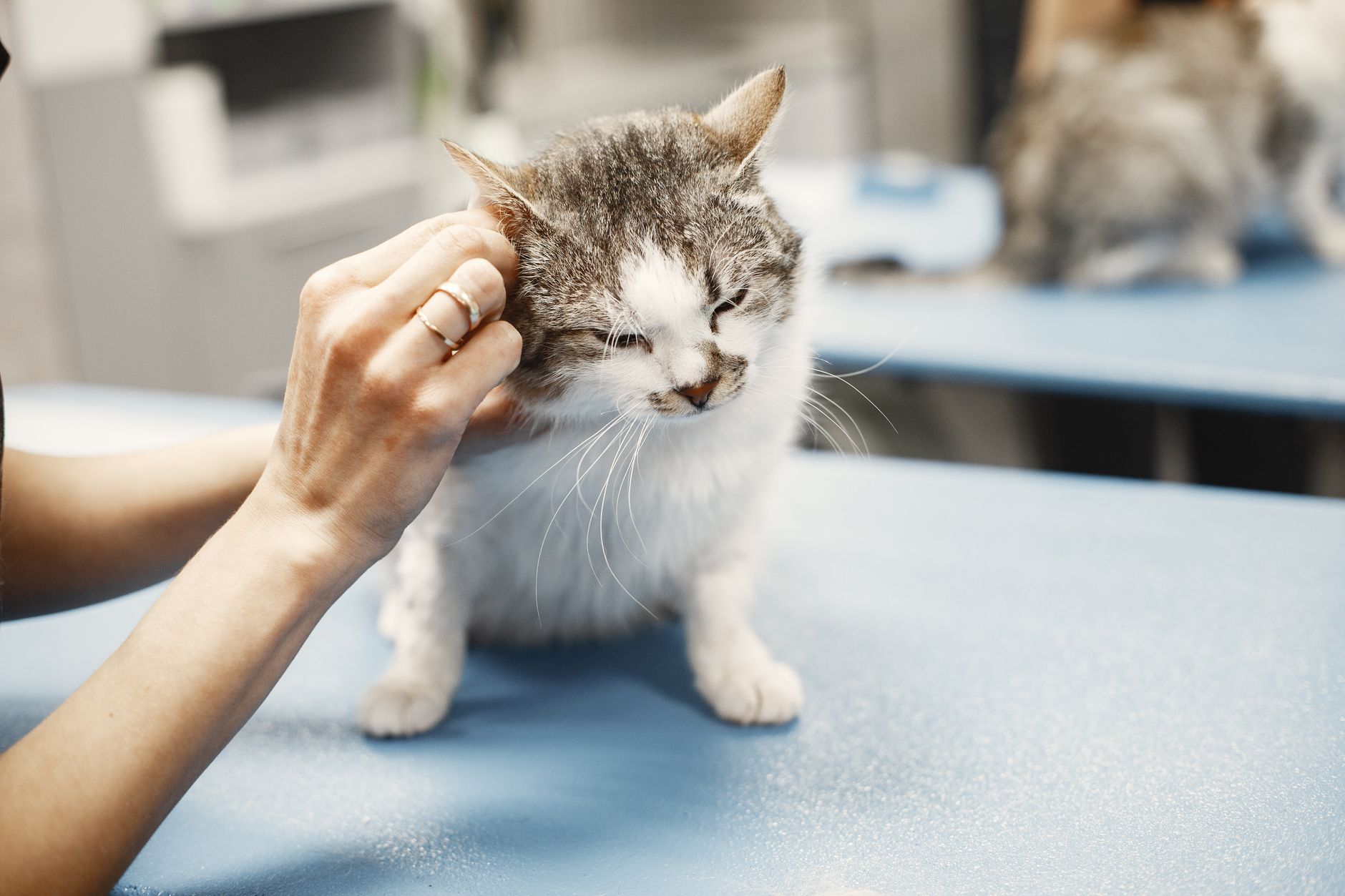
You might look at your pet trotting around the house, eating well, asking for treats, and think everything is fine. Then the reminder for a wellness visit pops up, and it is easy to wonder if it is really needed. If your dog or cat seems healthy, why schedule an appointment at all? That question is common, especially when life is busy, and costs add up. Still, the truth is simple. Why Pet Wellness Exams Are More Than Just A Checkup comes down to one thing. These visits can catch small changes before they turn into painful, costly problems, and a Monroe Veterinarian can give you a clearer picture of your pet’s health at every stage of life.
That is often the part people do not see at first. A pet cannot tell you that their teeth hurt, that their joints feel stiff, or that they are drinking more water than usual. By the time obvious signs show up, the issue may already be harder to treat. Because of that, routine care is not just about hearing that your pet looks good. It is about finding what you would otherwise miss.
What can a pet wellness exam find before you notice a problem?
Many health issues begin quietly. A little weight gain, mild gum disease, an early ear infection, a heart murmur, a skin problem hidden under fur, or subtle pain in the hips can all develop long before your pet acts truly sick. During a physical exam, a general veterinarian checks body condition, eyes, ears, skin, coat, teeth, heart, lungs, abdomen, joints, and more. That kind of close review matters because pets are good at hiding discomfort.
So, where does that leave you? It means a routine visit is less about reacting to illness and more about staying ahead of it. According to the University of Illinois College of Veterinary Medicine, a physical examination promotes pet wellness by helping detect changes early and guiding care based on age, breed, and lifestyle.
There is also the public health side of things, which many owners do not think about until there is a problem. Preventive visits often include vaccine reviews, parasite prevention, and advice on reducing risks that affect both pets and people. The CDC offers helpful guidance on healthy pets and safe habits, including ways to lower the spread of certain diseases between animals and humans.
Why does a routine pet checkup matter when your pet seems healthy?
This is where the tension usually sits. You do not want to overdo care, but you also do not want to miss something important. A routine pet checkup helps bridge that gap. It gives your veterinarian a baseline, which means they can compare what is normal for your pet now with what may change later.
Think about a senior dog who slows down a bit on walks. It is easy to call that normal aging. But what if it is early arthritis, and treatment could improve comfort right away? Or a cat who starts drinking more water, just enough that you notice but are not sure it matters. That could be one of the first signs of kidney disease or diabetes. In both cases, a wellness exam creates the chance to ask questions before the problem grows.
And there is the financial side, too. Waiting until a pet is clearly unwell often leads to more testing, more treatment, and more stress. Preventive care does cost money, but untreated disease usually costs more, both in dollars and in your pet’s comfort. That is why many families come to see wellness visits not as an extra, but as part of basic care.
How does preventive veterinary care compare with waiting until something is wrong?
If you are weighing whether these visits are worth it, a side-by-side view can help. The difference is not only medical. It affects time, cost, and peace of mind.
| Approach | What It Looks Like | Likely Outcome |
| Preventive veterinary care | Regular exams, vaccine review, parasite checks, dental and weight monitoring, early lab work when needed | Better chance of catching issues early, steadier long-term costs, more comfort for your pet |
| Wait for symptoms | Visit only when pet stops eating, limps, vomits, has pain, or shows obvious behavior changes | Higher chance of advanced illness, urgent treatment, larger bills, and more stress at home |
| At home observation only | Watching appetite, energy, bathroom habits, and behavior without professional exams | Helpful, but many hidden problems may go unnoticed until they worsen |
The point is not to create fear. It is to show that wellness care gives you options earlier, when choices are often simpler, and outcomes are better. A general veterinarian is not only checking for disease. They are also helping you understand nutrition, behavior, mobility, dental health, and age-related changes in a way that fits your pet’s life.
What should you do now if you want to protect your pet’s health?
1. Track small changes at home.
Pay attention to appetite, thirst, weight, bathroom habits, energy, breath odor, scratching, and movement. You do not need a perfect log, but even a few notes on your phone can help you remember what changed and when. Those details can be very useful during a veterinary visit.
2. Schedule exams based on your pet’s age and needs.
Puppies, kittens, senior pets, and animals with ongoing conditions often need closer follow-up. Healthy adult pets still benefit from routine visits because early signs are often subtle. If you are unsure how often to go, ask your veterinary clinic what makes sense for your pet’s breed, lifestyle, and health history.
3. Use the appointment to ask bigger questions.
A wellness visit is a good time to talk about food, dental care, weight, behavior changes, parasite prevention, and what to expect as your pet gets older. In many cases, the most helpful part of the exam is not just the findings. It is the conversation that helps you make better day-to-day choices.
Why are pet wellness exams really about peace of mind?
When you love a pet, uncertainty can sit in the background more than you expect. You notice little things and wonder if they matter. You hope they are fine, but you do not want to guess wrong. That is why pet wellness exams are more than a quick look over. They are a way to catch hidden problems, manage risks early, and give your pet the best chance at a healthier, more comfortable life.
If it has been a while since your pet’s last visit, now is a good time to schedule a wellness exam with a trusted general veterinarian. A simple appointment today can spare your pet discomfort tomorrow, and it can give you something every pet owner wants more of, which is reassurance.

A Relationship Manager for Celebrities’. Sharing my knowledge about your favorite celebrities’ son, kids and family