
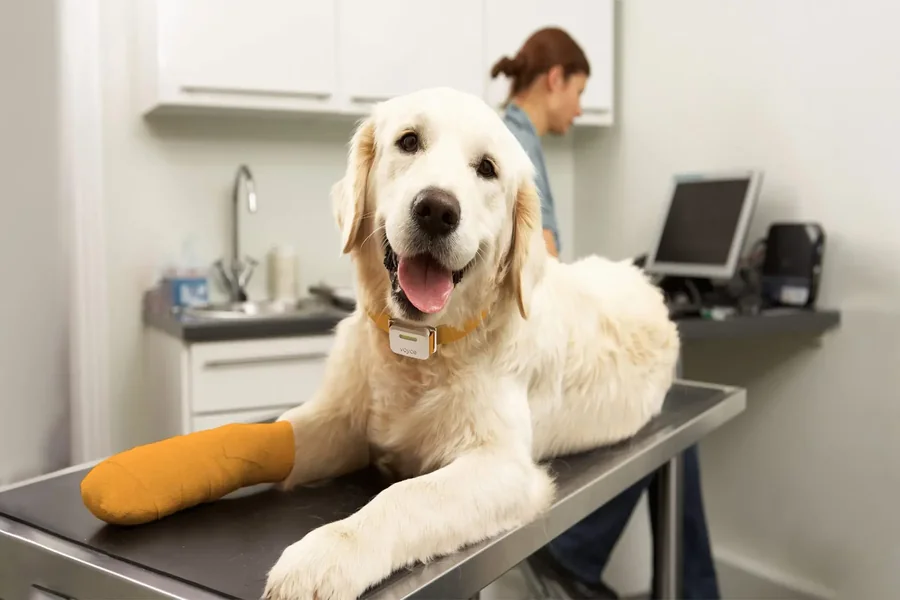
You know your pet’s normal rhythm. The way your dog greets you at the door, the way your cat claims the sunny spot on the floor, the appetite, the energy, the little habits that barely register until they change. When something feels off, it can leave you stuck between “maybe it’s nothing” and “I should have called sooner.” That tension is real, especially when pets hide discomfort so well. If you’re looking for a veterinarian in Houston, TX, trusting your instincts can be the first step toward getting answers.
The short version is simple. If your cat or dog is showing pain, a clear shift in eating or drinking, or unusual breathing and energy changes, it is time to schedule a visit. Those are three of the most common signs a small issue may be turning into something harder, more painful, and more expensive to treat. Knowing the signs your cat or dog needs a vet visit can help you act before things get worse.
Pain often shows up as behavior changes, not crying
Many owners wait for obvious distress, but pets rarely make it that clear. A dog with pain may slow down on walks, hesitate before jumping, lick one area over and over, or become withdrawn. Cornell’s guide to recognizing pain in dogs explains that signs can include limping, stiffness, panting, restlessness, and changes in posture. Cats can be even harder to read. A cat in pain may hide more, stop grooming, move less, or react when touched.
This is where people second guess themselves. Maybe your dog is just tired. Maybe your cat is being moody. Then a day passes, then another, and the pet who seemed “a little off” is now eating less, sleeping more, or clearly uncomfortable. Pain is not just a symptom. It can point to injury, arthritis, dental disease, urinary problems, stomach issues, or something internal that needs medical care.
If your pet’s personality changes without a clear reason, trust that instinct. A quieter than normal dog or a clingier than normal cat is often telling you more than you think.
Eating, drinking, and bathroom changes can signal a deeper problem
One skipped meal is not always an emergency. A pattern is different. If your dog stops eating, drinks far more water, vomits more than once, has diarrhea that continues, or strains to urinate, that deserves prompt attention. If your cat stops eating, especially for more than a day, the risk rises quickly. Cats can become seriously ill after not eating for a short time.
Bathroom changes matter just as much. Straining in the litter box, accidents in the house, blood in urine or stool, or a sudden increase in thirst can point to infection, blockage, diabetes, kidney disease, or digestive illness. A male cat trying to urinate and producing little or nothing can be facing a true emergency.
Heat can also make these signs worse. Cornell’s feline resource on feline heat safety notes that overheating can lead to panting, lethargy, drooling, and more severe distress. If your cat seems weak, unusually warm, or is breathing with effort after heat exposure, waiting it out is a bad bet.
These are often the early warning signs your pet should see a veterinarian, even when your pet still looks mostly normal between episodes.
Breathing trouble and sudden fatigue should not be brushed off
A pet who tires out fast, breathes harder than usual, coughs, pants at rest, or seems weak may be dealing with more than simple aging. Breathing changes can come from heart disease, lung disease, allergic reactions, heat stress, pain, or infection. Fatigue can also be tied to anemia, fever, dehydration, or internal illness.
This is one of the hardest changes to judge at home because it can look subtle at first. Maybe your dog stops halfway through a walk that used to be easy. Maybe your cat no longer jumps onto the bed and starts sleeping in odd places. Maybe they still eat treats but do not want their normal activity. Those shifts count.
If your pet is open mouth breathing, has pale or bluish gums, collapses, or cannot settle because breathing looks labored, skip the wait and seek urgent care.
Watching at home has limits when symptoms start stacking up
Home monitoring has a place. It makes sense to watch a mild, isolated symptom for a short window if your pet is otherwise bright, comfortable, and acting normally. The problem starts when owners rely on hope after symptoms begin to pile up. Pain plus loss of appetite. Vomiting plus lethargy. Limping plus hiding. That is when a routine issue can turn into dehydration, worsening inflammation, or a crisis that costs more to fix.
| What You Notice | Reasonable Short Observation | Time to Call a Veterinary Clinic |
| One mild episode of vomiting, then normal behavior | Monitor briefly with water and rest | If vomiting repeats, appetite drops, or energy changes |
| Limping or stiffness | Limit activity for a short period | If pain continues, worsens, or your pet resists touch |
| Eating less than usual | Watch one meal if your pet acts normal | If your dog skips meals or your cat stops eating |
| Panting, hiding, or unusual tiredness | Move to a cool, calm space and observe closely | If signs continue, breathing changes, or heat exposure is involved |
| Straining to urinate or repeated litter box trips | Do not wait at home | Call right away, especially for cats |
Three steps you can take right now
1. Write down the change you noticed. Note when it started, how often it happens, and what else changed with appetite, bathroom habits, movement, or breathing. A short timeline helps a veterinary clinic assess urgency fast.
2. Take a short video. Limping, coughing, odd breathing, pacing, or litter box behavior may not happen the moment you arrive for an appointment. A clear video often fills in the gap between “it seemed strange” and a useful clinical clue.
3. Stop waiting for a perfect sign. If your pet is acting unlike themselves and the change lasts, call. You do not need a dramatic emergency to justify a visit. A quick check at a veterinary clinic can catch problems early and spare your pet unnecessary pain.
Early care is often kinder, simpler, and less costly
You are not overreacting by paying attention. Most pet owners who call a clinic are not being dramatic. They are noticing the small things that matter before they become big things. If your cat or dog is showing pain, eating or bathroom changes, or unusual breathing and fatigue, trust what you are seeing and arrange care soon.
The best next step is simple. Contact a veterinary clinic and describe the symptoms clearly. Early action can protect your pet’s comfort and give you answers faster.

A Relationship Manager for Celebrities’. Sharing my knowledge about your favorite celebrities’ son, kids and family