
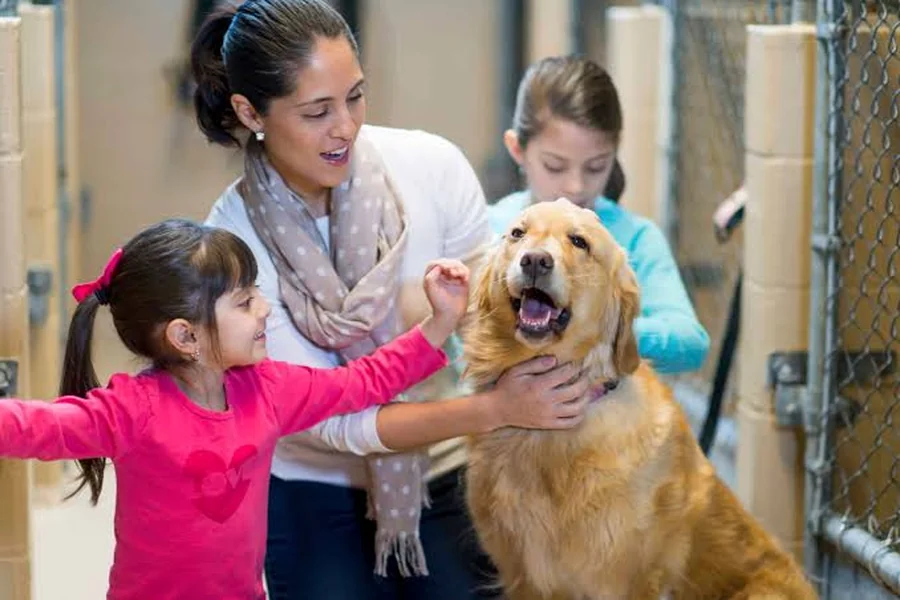
You might already sense that a veterinary clinic in Dallas does more than treat sick pets, even if it is hard to put that feeling into words. You see vaccine drives in a church parking lot, low cost wellness checks at a shelter, or a mobile team helping families who love their animals but struggle with access to care, and something shifts. The clinic stops feeling like a single building and starts looking like a steady part of the community. That matters, especially when pet owners are stressed, prices are rising, and many neighborhoods still face barriers to basic animal care.
The short version is simple. How Veterinary Clinics Support Community Outreach Programs comes down to access, trust, and partnership. Clinics help by offering preventive care, education, low cost services, support for shelters and rescues, and by working with schools, public health groups, and local agencies. When that support is consistent, pets get care earlier, families get relief sooner, and the whole community benefits.
Why do community outreach programs matter so much for animal health?
If you have ever had to choose between urgent bills and a pet visit, you know how quickly love can run into real life. That tension is where many outreach efforts begin. Community programs are often built for people who care deeply about their animals but face limits with transportation, cost, work schedules, or even language access. Without support, small health issues can become emergencies, and that is harder on pets, owners, clinics, and shelters alike.
Because of this, veterinary community outreach is not just a kind gesture. It helps close care gaps before they grow. A clinic may host vaccine events, offer microchipping days, provide spay and neuter referrals, or partner with local groups to reach pet owners who do not regularly come through the clinic doors. In many cases, these programs reduce suffering and lower long term costs by focusing on prevention first.
You can see this approach reflected in academic and public programs as well. The University of Florida’s extension and outreach work shows how veterinary education and public service can meet community needs through practical animal health support. In the same spirit, a recent community medicine program update from MDARD and Michigan State University highlights how outreach can expand access to care for underserved pet owners.
What challenges do veterinary clinics face when they support outreach programs?
It sounds straightforward at first. Offer care where it is needed most. But the reality is more layered. A veterinary clinic still has staff schedules, supply costs, medical standards, and patient volume to manage. Outreach work takes time, planning, and funding, and those needs do not disappear just because the mission is generous.
Then there is the emotional side. Clinics often meet families at hard moments. A pet may be overdue for vaccines, dealing with untreated skin issues, or showing signs of pain that have gone unaddressed because the owner waited as long as possible. That does not always come from neglect. Often, it comes from fear of cost, lack of transport, or not knowing where to start. So where does that leave a clinic? In a place where compassion must meet structure.
This is why successful programs rely on partnerships. Animal shelters, rescue groups, food banks, schools, and public agencies can help clinics reach more people without carrying the full burden alone. A strong animal health outreach program usually works because it spreads responsibility across trusted local networks.
How does a veterinary clinic turn outreach into real help?
The best outreach does not try to do everything at once. It focuses on practical care that can change outcomes quickly. Preventive medicine is often the starting point because vaccines, parasite control, wellness exams, and sterilization support can stop larger problems before they begin. Education matters too. When owners understand signs of illness, nutrition basics, and when to seek care, they are better able to protect their pets at home.
A clinic may also support the community in less visible ways. It might train volunteers, share care guidance with shelters, help reunite lost pets through microchipping, or refer families to payment resources and nonprofit services. Even a simple follow up call after an outreach event can build trust and help people stay connected to care.
| Outreach Activity | How It Helps Pets and Owners | Why It Helps the Community |
| Low cost vaccine clinics | Prevents common illness and reduces emergency visits | Lowers spread of preventable disease |
| Microchip events | Improves chances of lost pets returning home | Reduces shelter crowding |
| Spay and neuter support | Helps owners manage long term pet health and behavior | Reduces unwanted litters and strain on rescues |
| Pet care education | Helps owners spot problems earlier | Builds trust and improves public awareness |
| Mobile or pop up wellness services | Reaches families with transportation or schedule barriers | Expands access in underserved areas |
What can you do right now if you want to support or use veterinary outreach services?
1. Look for preventive services first.
If your pet has missed routine care, start there. Outreach programs often focus on vaccines, parasite prevention, and basic wellness checks because those services have the widest effect. Even one visit can give you a clearer picture of what your pet needs now and what can wait.
2. Ask about partnerships, not just appointments.
A veterinary clinic may work with shelters, rescue groups, schools, or county programs that are not obvious from the outside. If cost or access is a concern, ask whether there are community event days, referral partners, or payment support options. One question can open more doors than you expect.
3. Support outreach before there is a crisis.
If you are in a position to help, consider donating supplies, sponsoring a vaccine event, sharing clinic announcements, or volunteering with a partner organization. Community care gets stronger when local people treat it as a shared responsibility, not a last minute rescue.
Where does this leave you and your local veterinary clinic?
It leaves you with a clearer picture of what a veterinary clinic can mean. Yes, it is a place for exams, treatment, and medical advice. But it can also be a bridge between families and care, especially when life feels tight and options seem limited. That is the heart of veterinary outreach support. It meets people where they are and helps them take the next step without shame.
When clinics invest in outreach, pets are seen sooner, owners feel less alone, and communities grow more resilient. If you are looking for care, resources, or ways to support local programs, reach out to a trusted veterinary clinic and ask what community services or partnerships are available.

A Relationship Manager for Celebrities’. Sharing my knowledge about your favorite celebrities’ son, kids and family