You might be feeling pulled in two directions at once. On one side, you want answers about your pet’s surgery, and on the other, you may be scared to hear them. That is a normal place to be. When a veterinarian in Oakville, Ontario says your dog, cat, or other companion needs an advanced procedure, the room can seem to narrow fast. Your mind jumps to risk, pain, cost, recovery, and whether your pet will feel safe when you cannot be there.
The good news is that How Veterinary Hospitals Manage Complex Surgeries usually comes down to a clear system, not guesswork. A strong veterinary hospital uses planning, imaging, anesthesia, pain control, sterile technique, and close monitoring before, during, and after the procedure. In simple terms, the process is built to lower risk and give your pet the best chance to heal well.
Why can complex pet surgery feel so overwhelming?
There is the emotional side first. Your pet depends on you, and that can make every decision feel heavier. Then there is the medical side, which often comes with terms that are hard to sort through in the moment. You may hear about masses, fractures, airway issues, internal bleeding, spinal problems, or emergency abdominal surgery, and each one carries its own set of concerns.
Because of this tension, you might wonder what makes one surgery “complex” in the first place. Usually, it means the procedure needs more than routine care. It may require advanced imaging, a board-certified surgeon, careful blood work, a tailored anesthesia plan, and a team ready to respond if something changes during the operation. In many cases, a veterinary hospital surgery team also coordinates with internal medicine, cardiology, or critical care specialists.
That team approach matters. If your pet has heart disease, kidney concerns, is very young, is older, or has had a reaction to medication before, the surgery plan may need to change. That is not a sign something is wrong with the hospital. It is often a sign the team is paying attention to the details that protect your pet.
What actually happens before a veterinary hospital performs advanced animal surgery?
Most complex procedures begin long before the first incision. The hospital will usually review your pet’s history, current symptoms, medications, allergies, and past anesthetic events. Blood tests are common. Imaging such as X-rays, ultrasound, CT, or MRI may be needed to confirm what is happening inside the body and to map out the safest surgical path.
Then comes anesthesia planning, which is one of the most important parts of the process. A tailored anesthetic protocol helps support breathing, blood pressure, heart function, and comfort. Cornell’s overview of anesthesiology services shows how much care goes into pain management and monitoring for animals having procedures that are not simple or routine.
So, where does that leave you as the pet owner? It means your questions are not a burden. They are part of good care. You should feel comfortable asking who will perform the surgery, what monitoring will be used, how pain will be controlled, and what the recovery period may look like at home.
How do veterinary hospitals reduce risk during complex surgeries?
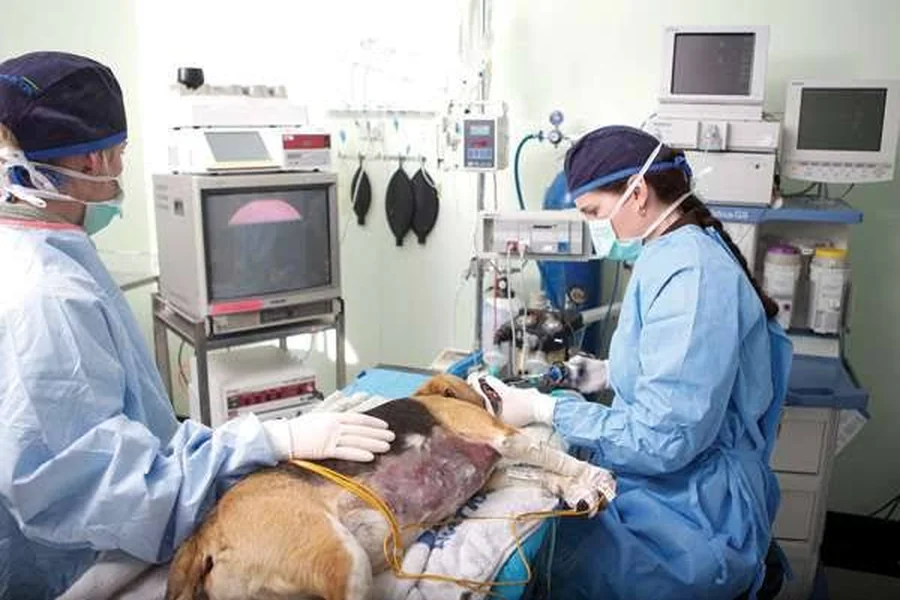
Risk can never be erased, and it helps to say that plainly. Even so, a well-run hospital works to lower avoidable risk at every step. The surgical team confirms the procedure, reviews test results, places IV access, prepares the surgical site with sterile technique, and monitors your pet throughout anesthesia. That monitoring often includes heart rate, blood pressure, oxygen levels, temperature, and breathing.
There is also a responsibility piece behind the scenes. Standards for attending veterinarians and facility oversight help support animal welfare and proper medical care. You can see part of that framework in the USDA APHIS guidance on licensee and registrant responsibilities. For pet owners, the takeaway is simple. Good systems are there for a reason, and they support safer care.
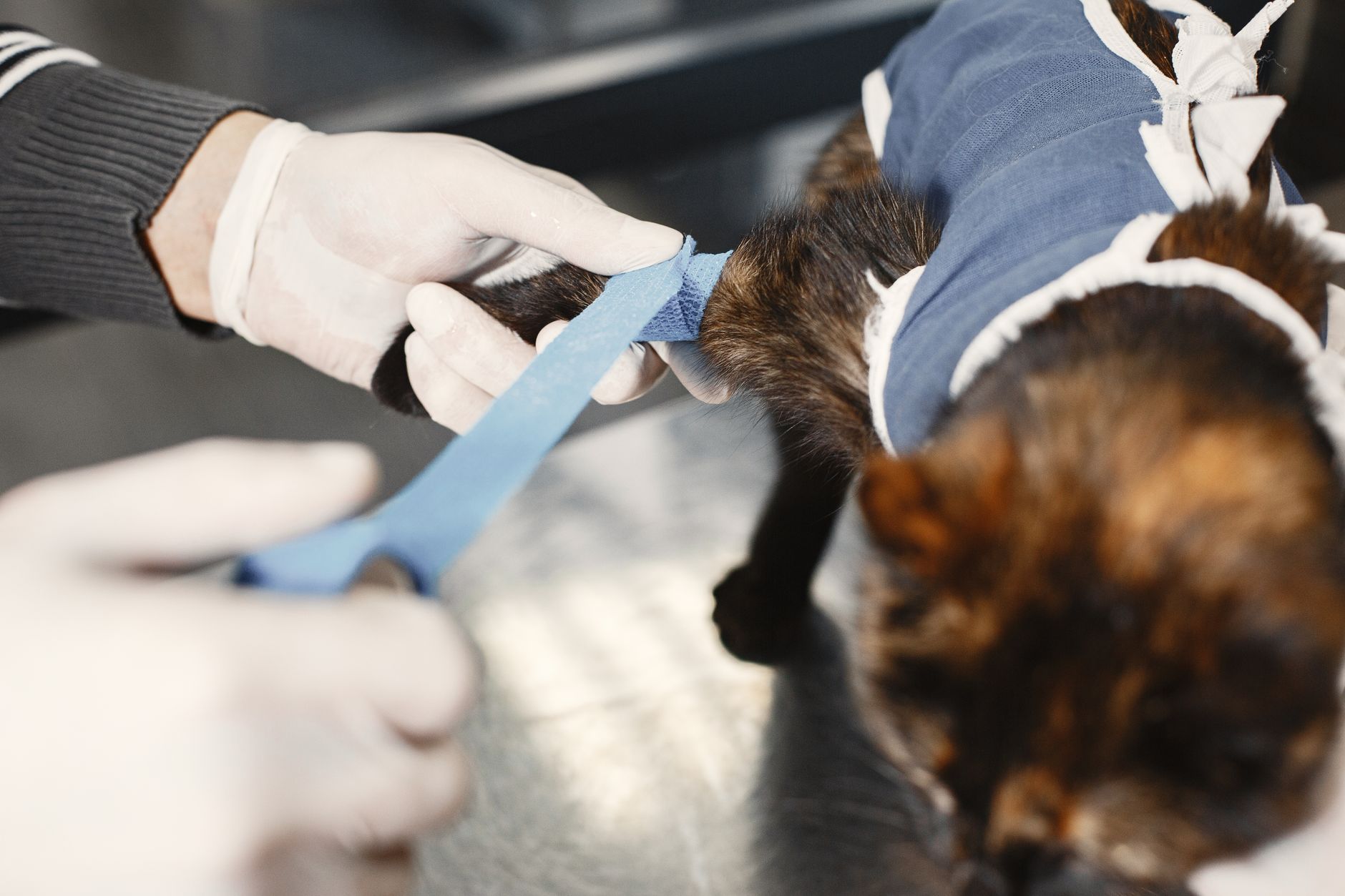
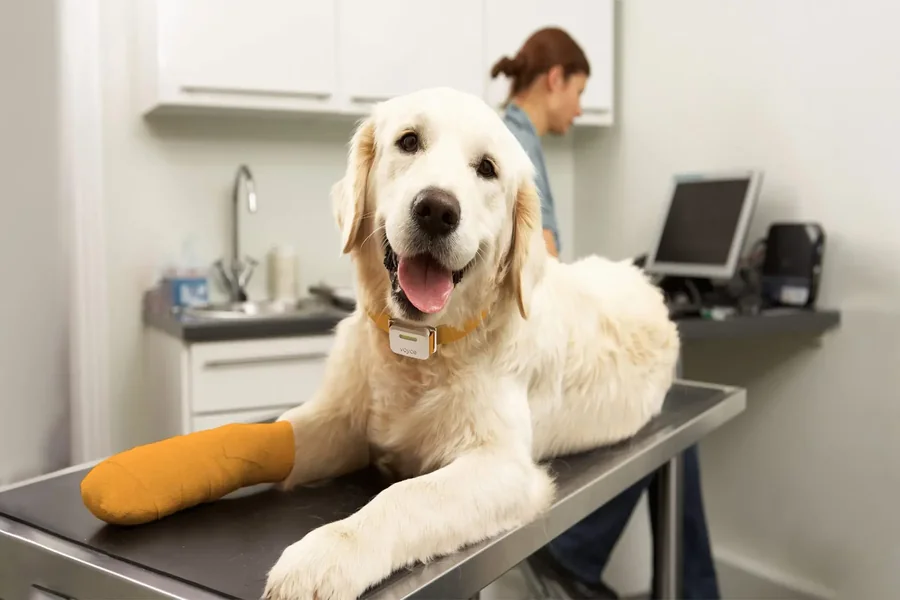
After surgery, the work is not over. Recovery monitoring is often where problems are caught early. Some pets need oxygen support, warming, fluid therapy, repeat blood work, or close pain assessment. Others may need to stay overnight or move into intensive care. This is one reason complex veterinary procedures are managed differently from routine spays, neuters, or dental cleanings.
What should you compare when choosing care for a complex surgery?
If you are weighing options, it helps to compare more than price alone. A lower estimate can feel like relief at first, but if it leaves out imaging, overnight observation, or advanced monitoring, the real picture may be very different. Here is a practical way to look at it.
| What to Compare | Basic Surgical Setup | Advanced Veterinary Hospital |
| Pre surgery testing | Limited blood work | Blood work, imaging, and specialist review when needed |
| Anesthesia plan | Standard protocol | Customized to age, breed, disease, and medication history |
| Monitoring | Basic observation | Continuous tracking of blood pressure, oxygen, heart rate, and temperature |
| Pain control | Single medication approach | Layered pain management before, during, and after surgery |
| Recovery support | Short recovery period | Extended monitoring, ICU access, and discharge planning |
A real-world example can help. If a dog needs abdominal surgery for a foreign body, basic care might focus on the operation itself. A stronger hospital model also plans for dehydration, infection risk, blood pressure support, nausea control, and what happens if damaged bowel is found during surgery. That broader planning can shape the outcome in a meaningful way.
What can you do right now if your pet needs a veterinary hospital?
- Ask for the full plan. Request a clear explanation of diagnosis, procedure, anesthesia, pain control, expected recovery, and possible complications. If something sounds unclear, ask again in plain language.
- Review the estimate in sections. Look for what is included before surgery, during surgery, and after surgery. Ask whether imaging, pathology, overnight monitoring, medications, and follow-up visits are part of the quoted cost.
- Prepare for recovery before your pet comes home. Set up a quiet space, confirm feeding and medication instructions, and ask what warning signs mean you should call right away. Knowing this ahead of time can lower stress for both of you.
How do you move forward with more confidence?
You do not need to know everything to make a good decision. You just need a care team that explains things clearly, plans carefully, and treats your pet like a patient worth protecting at every stage. When that happens, the fear does not vanish, but it often becomes easier to carry.
If your pet is facing a serious procedure, take a breath and ask the next right question. A thoughtful veterinary hospital can walk you through the options, the risks, and the recovery path so you can move forward with more steadiness and less confusion.

A Relationship Manager for Celebrities’. Sharing my knowledge about your favorite celebrities’ son, kids and family