
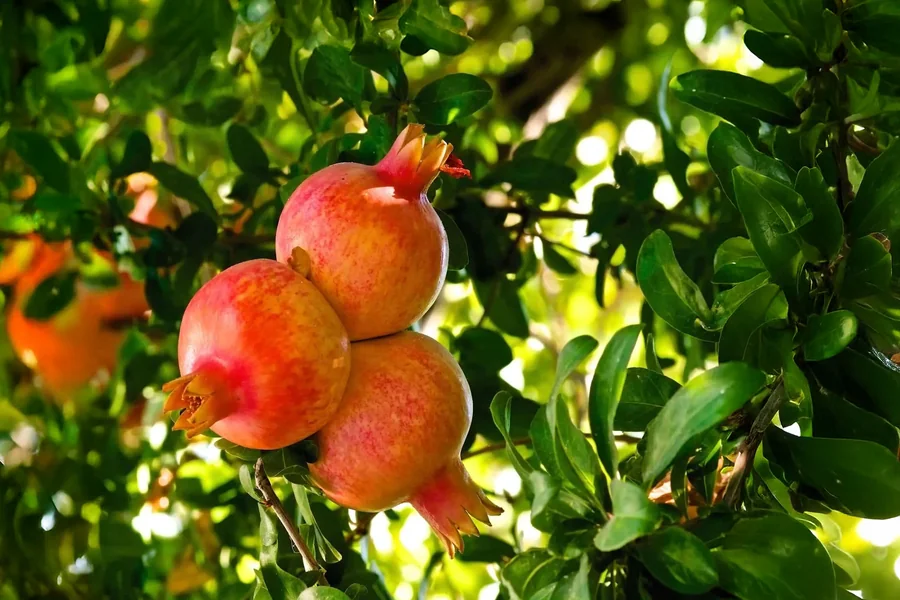
Fall is often considered a season of harvest, but it can also be an excellent time to prepare your garden for future fruit production by checking the weather data. Cooler temperatures, moderate rainfall, and gradually slowing plant growth can create favorable conditions for establishing certain fruit plants and preparing existing trees and vines for the next growing season.
Growing fruit successfully during fall requires choosing the right varieties, understanding your local climate, preparing healthy soil, and protecting plants from sudden temperature changes. Whether you have a large backyard garden, a small urban space, or a few containers, fall can be an important part of your fruit-growing calendar.
1. Understand Your Local Climate
Before planting anything, understand the climate in your area. Fall temperatures can vary significantly between regions, and different fruit plants have different requirements for sunlight, temperature, rainfall, and winter conditions.
Pay attention to:
- Average fall temperatures
- First expected frost date
- Rainfall patterns
- Daylight hours
- Soil temperature
- Humidity
- Wind conditions
Weather information can help you decide when to plant and how much protection your plants may need. Weather Data can provide historical and forecast information that helps gardeners understand temperature and precipitation patterns.
2. Choose Fruits Suitable for Fall Growing
Not every fruit grows actively during fall. Some fruits are harvested during autumn, while others are planted during the season so they can establish roots before winter.
Depending on your climate, suitable options may include:
- Strawberries
- Raspberries
- Blackberries
- Apples
- Pears
- Plums
- Figs
- Grapes
- Persimmons
- Certain citrus varieties
Strawberries are particularly useful for fall planting in many regions because plants can establish themselves before winter and produce fruit during the following growing season.
The best choices ultimately depend on your local climate and the specific variety.
3. Select a Location With Enough Sunlight
Most fruit-producing plants require substantial sunlight. Choose a location that receives approximately six to eight hours of direct sunlight per day, depending on the plant.
Avoid areas that remain shaded for most of the day or where water collects after rain.
Good drainage is especially important. Fruit plants generally perform poorly when their roots remain constantly saturated.
If you’re planting fruit trees, consider their mature size as well. A small sapling may look appropriate for a particular space today, but it can eventually require several meters of growing room.
4. Protect Plants From Frost
Frost can be one of the biggest challenges for fall fruit growing.
Young plants are particularly vulnerable to sudden temperature drops. If frost is expected, use appropriate horticultural fabric or other recommended plant protection methods.
For container-grown fruit plants, moving them to a protected location may be an option depending on the species.
Don’t assume that every cold night requires protection. Some fruit plants are naturally adapted to cold conditions, while others are much more sensitive.
Understanding the specific requirements of your plant is essential.
5. Prune Carefully
Fall is not automatically the right time to perform major pruning on every fruit plant.
Some fruit trees benefit from pruning during dormant periods, while pruning certain plants too early can encourage new growth that is susceptible to cold damage.
Remove dead, diseased, or damaged branches when appropriate, but follow species-specific pruning recommendations for major structural work.
If you’re unsure, consult a local horticultural extension service, experienced nursery professional, or gardening specialist.
6. Watch for Pests and Diseases
Cooler weather doesn’t necessarily mean pests disappear.
Inspect leaves, stems, branches, and fruit regularly for signs of:
- Insects
- Fungal diseases
- Discolored leaves
- Damaged fruit
- Unusual growth
- Wilting
Remove fallen, diseased fruit and leaves where appropriate, as plant debris can harbor pests or pathogens.
Good garden hygiene can reduce problems during the following growing season.
7. Plan for the Next Growing Season
One of the biggest advantages of fall gardening is that it allows you to prepare ahead.
Take notes about where you planted each variety, how much sunlight the area receives, and how the plants responded to weather conditions.
Use weather data to compare current conditions with historical patterns. You can also use fall to purchase dormant plants, prepare planting beds, improve soil, install irrigation systems, and organize garden tools.
Common Mistakes to Avoid
Several mistakes can reduce the chances of successful fruit growing.
Planting without considering climate: A fruit variety that thrives in one region may struggle in another.
Overwatering: Cool weather combined with excessive irrigation can create poorly drained conditions.
Planting too late: Plants need adequate time to establish roots before severe cold arrives.
Ignoring sunlight: Insufficient sunlight can reduce plant growth and fruit production.
Over-fertilizing: More fertilizer does not necessarily mean more fruit.
Ignoring pests: Small problems can become significant if they aren’t noticed early.
Final Thoughts
Growing fruits during fall is less about forcing plants to produce fruit immediately and more about creating the right conditions for healthy growth and future harvests. Choosing climate-appropriate varieties, preparing the soil, planting at the right time, maintaining proper moisture, and protecting young plants from extreme weather can give your garden a strong foundation.
Fall is also a valuable planning season. By understanding your local weather, caring for established plants, and preparing new ones for winter, you can set yourself up for a healthier and more productive fruit garden in the coming season.
With patience and consistent care, fall can become one of the most important seasons in your fruit-growing calendar.

A Relationship Manager for Celebrities’. Sharing my knowledge about your favorite celebrities’ son, kids and family