
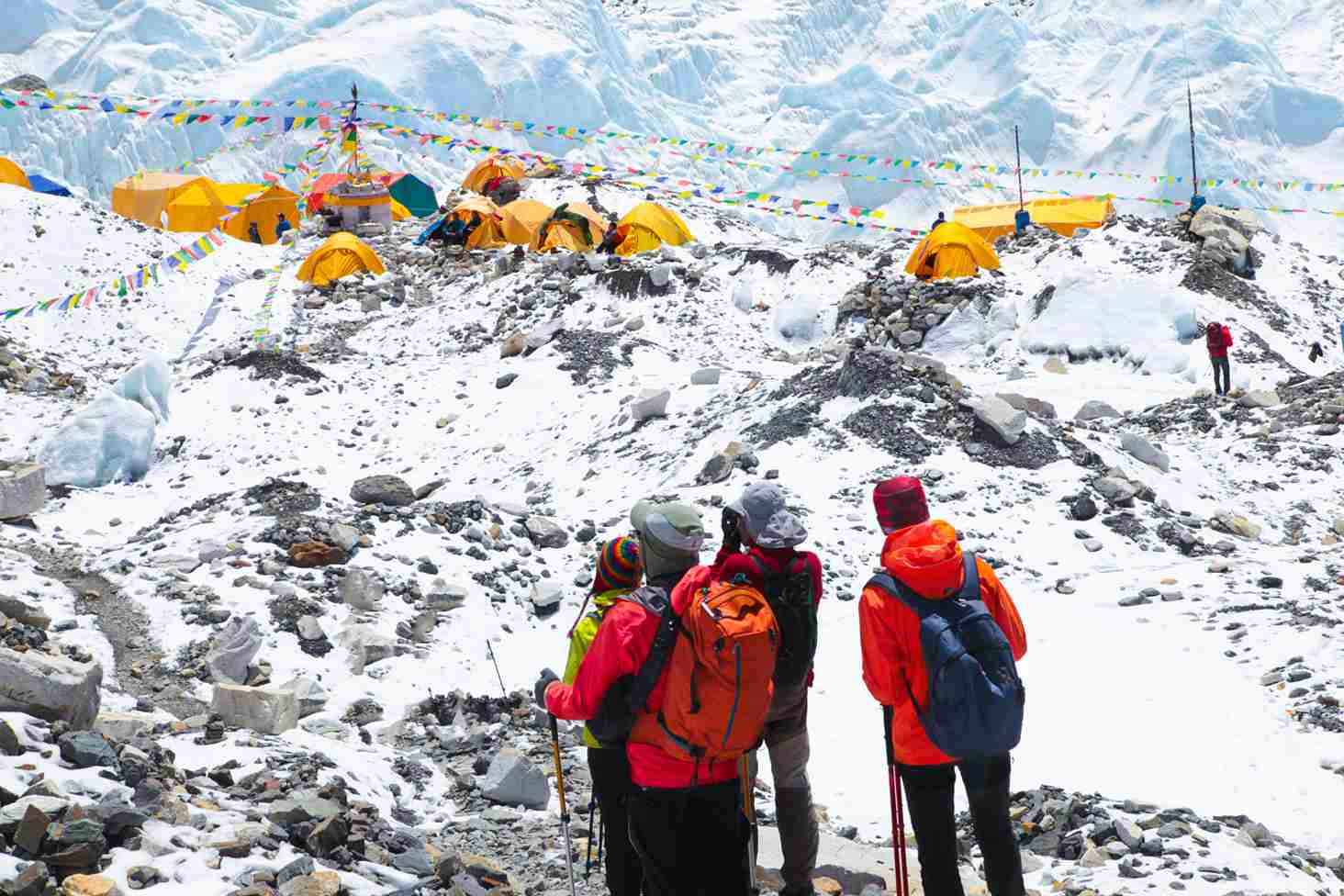
Trekking to Everest Base Camp is an extraordinary journey that takes adventurers into the heart of the Himalayas, offering an experience that is both physically challenging and profoundly rewarding. As trekkers set out on this iconic route, they encounter a range of experiences that collectively define the trek’s character and appeal.
From the moment you begin your trek, you will be immersed in the natural beauty and cultural richness of the Khumbu region. The trail unfolds through lush forests, picturesque villages, and rugged landscapes, offering a visual feast of snow-capped peaks and serene high-altitude lakes. The trek typically starts from Lukla, where a thrilling flight brings you to the heart of the Himalayan foothills. From Lukla, the journey progresses through charming Sherpa villages such as Namche Bazaar and Tengboche, each offering unique glimpses into local life and traditions.
One of the most defining aspects of the trek is the gradual ascent, designed to facilitate acclimatization. As you gain altitude, the air becomes thinner, and the trek becomes more demanding. This gradual ascent, punctuated by acclimatization days, allows trekkers to adapt to the high-altitude environment and reduces the risk of altitude sickness. The landscape transforms dramatically as you climb higher, moving from dense forests to alpine meadows and eventually to the stark, windswept terrain of the Everest Base Camp region.
Trekking to Base Camp involves both physical exertion and mental perseverance. The daily hikes can be long and strenuous, requiring trekkers to navigate steep inclines, rocky paths, and occasional snow. Despite the challenges, the rewards are immense. The sense of accomplishment upon reaching Everest Base Camp is unparalleled, offering a breathtaking view of the world’s highest peak and a profound connection to the history of mountaineering.
The journey also provides ample opportunities for cultural engagement. Interacting with the Sherpa people, visiting ancient monasteries, and participating in local festivals add a rich cultural dimension to the trek. The Sherpas’ warm hospitality and deep-rooted traditions enrich the experience, making it as much about cultural exploration as it is about physical achievement.
In addition to the physical and cultural experiences, the trek demands thoughtful preparation and resilience. Proper gear, acclimatization strategies, and mental readiness are crucial for navigating the challenges of the high-altitude environment. Each day brings its own set of experiences, from the camaraderie with fellow trekkers to the solitary moments of reflection amidst the grandeur of the Himalayas.
Overall, trekking to Everest Base Camp is a journey of discovery, offering a blend of breathtaking landscapes, cultural encounters, and personal growth. It is a profound adventure that leaves trekkers with lasting memories and a deep sense of achievement.
Introduction to the Base Camp Trek
The Everest Base Camp trek is a world-renowned adventure that draws trekkers from around the globe to the heart of the Himalayas. This iconic journey takes adventurers to the base of Mount Everest, the world’s highest peak, offering a blend of stunning natural beauty and cultural immersion. Starting from the vibrant town of Lukla, the trek meanders through the Khumbu region, revealing a landscape of soaring peaks, lush valleys, and traditional Sherpa villages. As trekkers ascend towards Everest Base Camp, they are greeted by awe-inspiring vistas of snow-capped mountains and serene glacial lakes. The trek is not only a physical challenge but also a journey of personal discovery and cultural exploration, providing a profound connection to the region’s natural and human heritage. By traversing this historic route, trekkers experience the essence of Himalayan adventure and the fulfillment of standing at the foot of one of the world’s most legendary peaks.
Overview of the Trekking Route
The trekking route to Everest Base Camp spans approximately 130 kilometers (80 miles) round trip, traversing diverse terrain from lush forests to arid, high-altitude landscapes. The journey typically begins with a flight from Kathmandu to Lukla, followed by several days of trekking through the Khumbu Valley. The route passes through notable villages such as Phakding, Namche Bazaar, and Tengboche, each offering unique cultural and scenic highlights. As trekkers continue, they encounter the stunning monasteries of Tengboche and the picturesque settlement of Dingboche before reaching Everest Base Camp itself. The trail ascends gradually to help with acclimatization, with key acclimatization stops at places like Namche Bazaar and Dingboche. The final stretch to Base Camp offers breathtaking views of the Khumbu Icefall and surrounding peaks. This well-trodden route is carefully designed to balance the physical demands of the trek with opportunities for cultural enrichment and acclimatization.
Daily Itinerary: What Lies Ahead
The daily itinerary for the Everest Base Camp trek is structured to provide a balanced mix of trekking, acclimatization, and cultural experiences. The trek usually spans around 12 to 14 days, with each day carefully planned to manage altitude gain and physical exertion. Trekkers typically start with a flight to Lukla, followed by a trek to Phakding on the first day. The subsequent days involve treks through Namche Bazaar, where acclimatization and exploration are encouraged. The itinerary includes acclimatization hikes around Namche and Dingboche to prepare the body for higher altitudes. Daily treks often last between 4 to 8 hours, with stops at teahouses for rest and meals. Key milestones include reaching Tengboche, known for its monastery and panoramic views, and Lobuche, which serves as a gateway to Everest Base Camp. The culmination of the trek is the arrival at Base Camp, where trekkers enjoy breathtaking views of the Everest massif. The return journey follows a similar route, with opportunities for reflection and additional exploration.
Physical Challenges and Preparation
Trekking to Everest Base Camp presents several physical challenges that require thorough preparation. The trek involves long hours of hiking each day, with varying terrain including steep ascents, rocky paths, and potentially icy conditions. To prepare, trekkers should engage in a robust fitness regimen that includes cardiovascular exercises, strength training, and endurance activities. Regular long hikes with a weighted backpack can simulate trek conditions and build stamina. Core strength and flexibility exercises are also beneficial for handling the uneven terrain and reducing the risk of injury. Preparing for altitude is crucial; incorporating hikes at higher elevations or using altitude training methods can help acclimate the body to lower oxygen levels. Additionally, training in diverse weather conditions prepares trekkers for the cold, wind, and potential snow encountered on the trek. Proper physical preparation enhances the ability to tackle the trek’s challenges, ensuring a safer and more enjoyable experience.
Altitude and Acclimatization Insights
Altitude and acclimatization are critical factors in the Everest Base Camp trek, influencing both safety and comfort. As trekkers ascend to higher elevations, the air becomes thinner, and the body must adapt to reduced oxygen levels. Acclimatization is a gradual process that helps the body adjust to these changes and minimize the risk of altitude sickness. The trek is designed with specific acclimatization stops, such as Namche Bazaar and Dingboche, where trekkers spend additional days at these elevations to facilitate adaptation. Key acclimatization strategies include ascending slowly, staying hydrated, and maintaining a balanced diet. It is also essential to recognize symptoms of altitude sickness, such as headaches, dizziness, and shortness of breath, and to respond appropriately, which may include rest or descent if symptoms become severe. By adhering to acclimatization protocols and listening to their bodies, trekkers can enhance their ability to cope with the challenges of high altitude and enjoy a more rewarding trekking experience.
Weather Conditions on the Trek
The weather conditions on the Everest Base Camp trekking are a crucial factor to consider, as they can significantly impact the trekking experience. The trek, situated at high altitudes, encounters a range of weather patterns that vary by season and altitude. During the trekking season, which typically spans from late March to early May and late September to early November, the weather is relatively stable with mild temperatures and clear skies. Daytime temperatures at lower elevations can be quite pleasant, ranging from 10 to 20°C (50 to 68°F), while nighttime temperatures drop significantly, especially at higher altitudes, often plummeting below freezing. As trekkers ascend, they encounter colder temperatures, with nights at Everest Base Camp often reaching -10°C to -15°C (14 to 5°F). In the pre-monsoon and post-monsoon seasons, the skies are generally clear, but sudden weather changes, including snow and rain, can occur. Trekking in the winter months is possible but involves harsher conditions, with extremely cold temperatures and higher snow accumulation. Proper clothing and gear are essential to manage these varying weather conditions and ensure safety and comfort throughout the trek.
Accommodation Types Along the Route
Accommodation along the Everest Base Camp trek primarily consists of teahouses, which are basic lodges providing essential amenities for trekkers. These teahouses are strategically located along the trekking route, offering a place to rest, eat, and sleep. The quality of teahouses can vary, but most provide a warm, comfortable environment with simple furnishings. Rooms are typically shared, with basic bedding provided, though some teahouses offer the option to pay for a private room. Facilities usually include a common dining area where meals are served and communal bathrooms. In higher altitudes, the accommodation becomes more basic, with fewer amenities and colder conditions. Trekkers are advised to bring a sleeping bag, as the provided bedding may not be sufficient for the colder temperatures. Additionally, some teahouses may offer amenities such as charging stations for electronic devices and Wi-Fi, though these services may come at an extra cost. Overall, while the accommodations are modest, they are sufficient for resting and recovering during the trek.
Dining Options: Food and Nutrition
Dining options along the Everest Base Camp trek are diverse, with a range of foods available to cater to the needs and preferences of trekkers. Most meals are served in the dining areas of teahouses, where menus feature a variety of dishes, including traditional Nepali, Tibetan, and international cuisines. Popular dishes include dal bhat (a traditional Nepali meal of rice and lentil soup), momo (dumplings), and noodle soups. As trekkers progress higher, the menu options may become more limited, but staple items like soup, rice, and pasta are commonly available. It’s important to maintain good nutrition to sustain energy levels throughout the trek, so including a mix of carbohydrates, proteins, and fruits is beneficial. Trekkers should also be cautious about food hygiene and drink bottled or purified water to avoid stomach issues. Some teahouses offer limited Western options, including snacks and drinks, but these may come at a higher cost. Overall, while the food is generally basic, it is nutritious and sufficient to support the demands of trekking at high altitudes.
Cultural Experiences with the Sherpa People
The Everest Base Camp trek offers rich cultural experiences through interactions with the Sherpa people, who are an integral part of the Khumbu region. The Sherpas are known for their hospitality and deep-rooted traditions, which are evident in their daily lives and communal practices. Along the trek, trekkers have the opportunity to visit Sherpa villages such as Namche Bazaar, Tengboche, and Lukla, where they can observe traditional lifestyles and customs. Interaction with the Sherpas often includes visiting local monasteries, participating in religious ceremonies, and learning about their spiritual beliefs, which are deeply influenced by Tibetan Buddhism. The Sherpas’ unique way of life, including their traditional dress and festivals, provides insight into the cultural heritage of the region. Trekkers might also witness traditional Sherpa practices such as prayer flag hanging and butter lamp offerings at monasteries. Engaging with the Sherpa community enriches the trekking experience, offering a deeper appreciation of the region’s cultural and spiritual dimensions.
Scenic Highlights and Must-See Views
The Everest Base Camp trek is renowned for its breathtaking scenic highlights and must-see views, which are among the most spectacular in the world. The trek offers panoramic vistas of some of the highest peaks on the planet, including Mount Everest, Lhotse, and Nuptse. Key scenic highlights include the dramatic views from Namche Bazaar, where trekkers are first introduced to the grandeur of the Himalayas. The iconic Tengboche Monastery provides stunning views of Everest and the surrounding peaks, framed by its traditional architecture. As trekkers approach Everest Base Camp, the landscape becomes increasingly awe-inspiring, with views of the Khumbu Icefall, a massive glacier and ice structure. The trek also includes spectacular vistas of the Himalayan peaks from Kala Patthar, a vantage point at 5,550 meters (18,209 feet) that offers arguably the best panoramic view of Everest. These scenic highlights, combined with the ever-changing landscapes, make the trek a visually and emotionally rewarding experience.
Wildlife Encounters on the Trail
While Short trekking to Everest Base Camp, adventurers have the opportunity to encounter a variety of wildlife that inhabits the diverse ecosystems along the route. The trek passes through different altitudinal zones, each supporting unique species adapted to the varying environments. In the lower regions of the trail, particularly around the lush forests and meadows, trekkers might spot animals such as the Himalayan tahr, a goat-like animal known for its agility on steep terrain. The red panda, elusive and rare, is another intriguing species that can sometimes be seen in the higher forests of the region. As the trek ascends, the wildlife changes with the altitude. In the alpine zone, sightings of the snow leopard, though rare, are a highlight for many trekkers. Common birds include the Himalayan monal, the national bird of Nepal, with its striking plumage, and the vultures that soar high above the mountains. Encounters with wildlife offer a glimpse into the rich biodiversity of the Himalayan region and add an extra dimension to the trekking experience. While these encounters are relatively infrequent, they enhance the adventure and contribute to the trek’s overall sense of wonder.
Safety Tips for Trekking in the Himalayas
Safety is paramount when trekking in the Himalayas, given the challenging terrain and high-altitude environment. One of the key safety tips is to acclimatize properly to prevent altitude sickness, which can be mitigated by ascending gradually and taking rest days as needed. Carrying a well-stocked first aid kit and knowing basic first aid procedures is crucial for handling minor injuries and health issues. It’s also advisable to trek with a guide or in a group, as local expertise and support can be invaluable in case of emergencies. Staying hydrated and maintaining a balanced diet helps in coping with the physical demands of the trek. Proper gear, including high-quality trekking boots, layered clothing, and rain protection, is essential for dealing with the variable weather conditions. Additionally, it’s important to be aware of the weather forecast and to avoid trekking during adverse weather conditions such as heavy snow or storms. Lastly, informing someone of your trekking itinerary and expected return time ensures that help can be summoned if needed. By adhering to these safety tips, trekkers can better manage risks and enjoy a safe and successful journey.
Essential Gear and Packing Recommendations
Packing for the Everest Base Camp trek requires careful selection of essential gear to ensure comfort, safety, and preparedness for varying conditions. Start with a sturdy, well-fitted backpack capable of holding all necessary gear, including a high-quality sleeping bag rated for cold temperatures and a durable sleeping pad for insulation and comfort. Footwear is critical; invest in well-fitting, waterproof trekking boots with good ankle support and traction. Clothing should be layered to manage the cold and fluctuating temperatures, including a moisture-wicking base layer, an insulating mid-layer, and a waterproof outer layer. Additional essentials include trekking poles to provide stability and reduce strain on the knees, a headlamp for visibility in low-light conditions, and a good-quality rain jacket. Packing a comprehensive first aid kit, including medications for altitude sickness, is also important. Don’t forget hydration solutions such as water bottles or filters, and sufficient high-energy snacks to maintain energy levels during the trek. Proper gear not only enhances the trekking experience but also contributes to safety and comfort in the challenging Himalayan environment.
Common Trekking Myths Debunked
Several myths about trekking to Everest Base Camp often lead to misconceptions that can affect preparation and expectations. One common myth is that the trek is suitable only for experienced climbers, whereas it is accessible to trekkers of varying skill levels as long as they are physically fit and properly prepared. Another myth is that altitude sickness can be easily prevented with medications; while medicines can help, proper acclimatization and gradual ascent are key to reducing the risk. Some believe that the trek is always cold and inhospitable, but temperatures can vary significantly, and trekkers can experience mild weather, especially during peak trekking seasons. Another misconception is that luxury is completely absent on the trek; while accommodations are basic, teahouses provide comfortable and adequate lodging. Lastly, there’s a belief that the trek is unsafe, but with proper preparation, adherence to safety guidelines, and trekking with guides, the journey can be undertaken safely. Debunking these myths helps trekkers approach the adventure with accurate expectations and better preparation.
Conclusion: Embracing the Journey
Trekking to Everest Base Camp is more than just a physical challenge; it is an enriching journey that offers profound experiences both on the trail and within oneself. The trek combines awe-inspiring natural beauty with cultural encounters, providing a unique opportunity to connect with the Himalayas and its people. Embracing the journey means appreciating the stunning landscapes, from lush valleys and dense forests to the stark, majestic heights of the Everest region. It involves navigating the physical and mental challenges, from long hiking days to acclimatizing to high altitudes, and finding joy in the camaraderie with fellow trekkers and interactions with the Sherpa community. Each step along the trail is a step towards personal growth and a deeper understanding of both the environment and oneself. The trek’s rewards extend beyond reaching Everest Base Camp; they include the sense of accomplishment, the memories of breathtaking views, and the cultural insights gained along the way. Embracing the journey fully means savoring every moment of this extraordinary adventure, and cherishing the lasting impact it has on one’s life.

A Relationship Manager for Celebrities’. Sharing my knowledge about your favorite celebrities’ son, kids and family