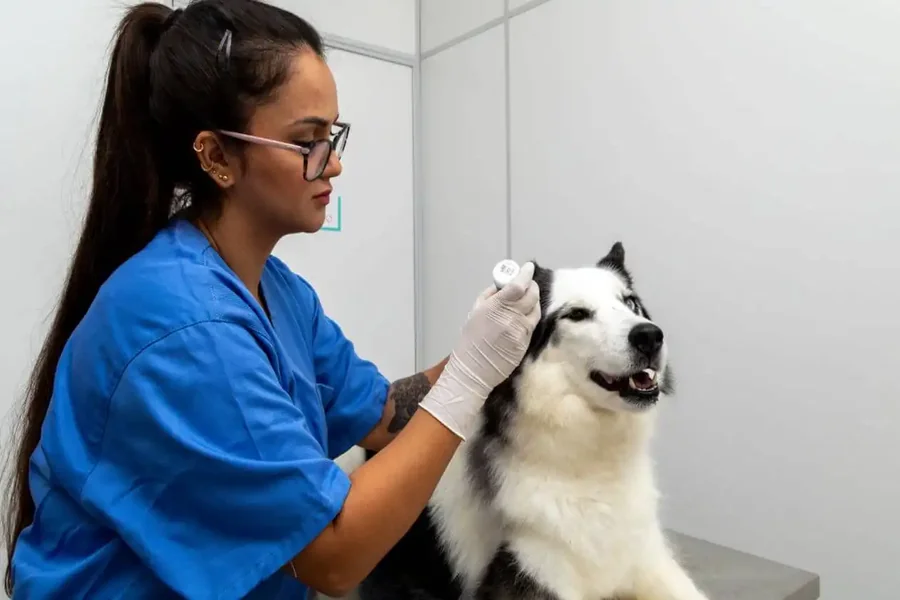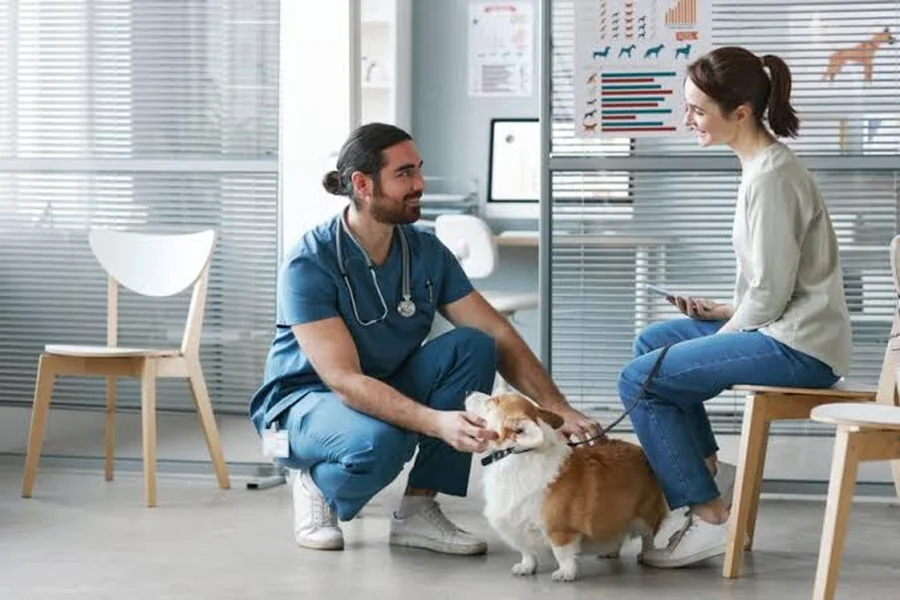

You might be feeling pulled in two directions right now. On one side, you want to do what is best for your pet. On the other, pet food labels, online advice, and changing health needs can leave you second-guessing every bowl you set down. It often starts small. Maybe your dog is gaining weight, your cat has stomach trouble, or your older pet just is not eating like before. Then the worry sets in, because food seems simple until it suddenly does not. If you are looking for guidance from an animal clinic in Clifton, VA, you are not alone.
That is where the role of nutrition counseling at animal hospitals becomes so important. Good feeding advice is not just about picking a brand. It is about understanding your pet’s age, breed, medical history, activity level, and daily routine, then building a plan that actually fits real life. When nutrition support is part of veterinary care, it can help prevent problems, support treatment, and make day-to-day decisions feel less overwhelming.
Why does pet nutrition guidance matter so much when your pet seems mostly fine?
Many health problems do not begin with a dramatic emergency. They build quietly over time. A few extra treats become steady weight gain. Mild skin irritation turns into chronic discomfort. Soft stool, low energy, or increased thirst may seem random until they point to a deeper issue. Because of this, pet nutrition counseling is often one of the first places an animal hospital can make a real difference.
Food affects far more than weight. It can shape digestion, joint comfort, skin and coat health, blood sugar control, kidney support, and recovery after illness. If your pet has diabetes, heart disease, allergies, or urinary concerns, the right diet may become part of treatment, not just a side note. Even healthy pets benefit from review, since nutritional needs change with age and lifestyle.
So, where does that leave you if you are trying to sort through conflicting advice? It means you do not have to guess. Veterinary teams can assess body condition, review ingredients and portion sizes, and help you understand whether your current plan is helping or quietly causing harm.
What happens during nutrition counseling at an animal hospital?
At its best, nutrition counseling at an animal hospital is practical and personal. The conversation usually starts with the basics. What does your pet eat now? How much? How often? What treats, table scraps, or supplements are part of the routine? From there, the hospital may look at weight trends, lab work, medical conditions, and physical exam findings.
This is especially helpful when your pet’s needs are no longer straightforward. A growing puppy, a senior cat with kidney disease, and an overweight dog with arthritis all need different plans. A general feeding chart on a bag cannot account for those details. That is why many teaching hospitals and specialty centers offer dedicated nutrition services, such as veterinary nutrition support at Cornell, clinical pet nutrition services at the University of Florida, and animal nutrition consultations at the University of Minnesota.
You may also hear the term veterinary nutrition services. In plain terms, that means trained professionals are looking at food as part of the whole care picture. They are not just asking what your pet likes to eat. They are asking what your pet’s body needs now.
Could a do-it-yourself feeding plan work, or does professional animal hospital advice make a difference?
It is understandable to want a simple answer from a blog post, a breeder group, or a pet store aisle. Sometimes those sources offer useful ideas. The problem is that they often miss the details that matter most. A homemade diet that sounds healthy can be unbalanced. A grain-free food chosen for one concern may create another. A low-calorie diet may still fail if portions are off or if treats are not counted.
When feeding goes wrong, the cost is not only financial. You may lose time while a condition worsens. You may feel guilty, even though you were trying your best with the information you had. That is why getting animal hospital nutrition advice early can be so helpful.
|
Approach |
What It Offers |
Main Risk |
Best Use |
|
Online research alone |
Quick ideas and broad education |
Advice may not fit your pet’s medical needs |
Starting point for questions |
|
Pet store recommendations |
Product comparisons and convenience |
Limited medical context |
Healthy pets with confirmed feeding plans |
|
Homemade diet without review |
Control over ingredients |
Common nutrient gaps or excesses |
Rarely ideal without expert input |
|
Nutrition counseling at an animal hospital |
Feeding plan based on exam findings, history, and health goals |
Requires an appointment and follow through |
Pets with weight, digestive, skin, kidney, or chronic health concerns |
For many families, the best path is not extreme. It is guided. You get clear advice, realistic portions, and a plan you can actually stick with at home.
What can you do right now if you think your pet’s diet needs attention?
1. Track the full picture.
Write down everything your pet eats for three to five days. Include meals, treats, chews, table food, supplements, and who in the household gives them. Many people are surprised by how much “extra” food adds up. This simple record gives your veterinary team something useful to work with.
2. Ask for a weight and body condition review.
A number on the scale matters, but body condition matters too. Two pets can weigh the same and have very different health risks. If your pet is losing muscle, carrying extra fat, or changing shape, a feeding plan may need to change even before obvious illness appears.
3. Bring your questions to an animal hospital visit.
Bring photos of the food label, ingredient list, guaranteed analysis, and portion scoop if you can. Ask direct questions. Is this diet right for my pet’s age? Does it support any current health issue? Should treats be limited? Would a prescription or therapeutic diet help? Clear questions often lead to clear next steps.
How does better nutrition counseling support long-term health and peace of mind?
When food choices are guided by medical insight, daily care becomes less stressful. You are no longer guessing whether the diet is right, whether the portion is too much, or whether a symptom is being missed. Instead, you have a plan that can be adjusted as your pet grows, ages, or develops new needs.
The role of nutrition counseling at animal hospitals is not to make feeding feel complicated. It is to make it safer, clearer, and more effective. If your pet has had weight changes, stomach upset, skin issues, chronic disease, or even just a recent shift in appetite, it may be time to ask for nutrition support at your next animal hospital visit. A thoughtful conversation now can prevent bigger problems later, and that kind of guidance can bring real relief when you have been carrying the worry alone.

A Relationship Manager for Celebrities’. Sharing my knowledge about your favorite celebrities’ son, kids and family