A dental implant is often described as a replacement for a missing tooth, but the real benefits can become clearer in the small details of everyday life. From biting into a favorite meal to smiling without thinking about a gap, restoring a missing tooth can influence how your mouth functions and how comfortable you feel.
The results do not happen overnight. Dental implants require a healing period before the final restoration can be placed and used normally. Once treatment is complete, however, many patients appreciate changes that go beyond the appearance of their smile.
Food Can Become Less Complicated
Missing teeth can turn an ordinary meal into a series of decisions. You may avoid certain foods, cut everything into smaller pieces or automatically chew on one side of your mouth.
After the implant has healed and the final restoration is ready, chewing can become more comfortable. The replacement tooth is secured in place rather than relying on removable adhesives or suction.
This can make everyday meals feel more natural. Foods that were previously inconvenient to eat may become easier to manage, although patients should always follow their dentist’s recommendations about what is appropriate for their specific situation.
You May Stop Thinking About the Missing Tooth
One overlooked benefit of successful tooth replacement is simply having one less thing to think about.
Before treatment, you may constantly notice the empty space when looking in the mirror. You might become conscious of it when talking, laughing or eating with other people. A completed implant restoration can make the missing tooth much less noticeable in your daily routine.
Instead of planning around a missing tooth, you can focus on the conversation, meal or activity in front of you.
Your Smile Can Feel More Complete
A dental implant can restore the space created by a missing tooth while allowing the replacement crown to be designed to complement the rest of your smile.
The dentist considers factors such as tooth color, shape and position when planning the visible restoration. The goal is to create a result that fits naturally with the surrounding teeth rather than looking like an obvious addition.
For many patients, this can make smiling feel more comfortable and spontaneous.
Your Mouth Gets a Stable Replacement
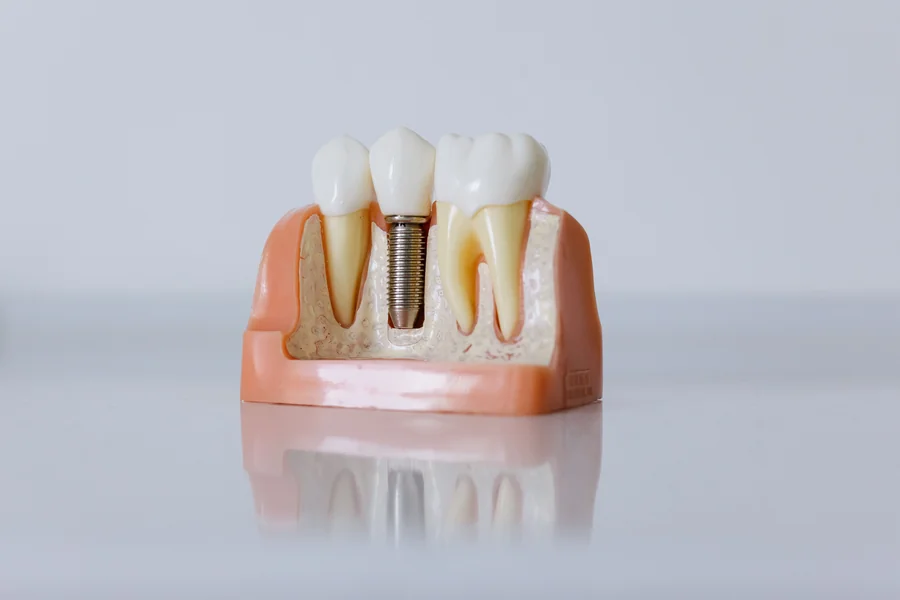
There is an important structural difference between an implant and a removable tooth replacement. An implant is placed into the jawbone, where it serves as a foundation for the replacement tooth.
Once healing and integration are complete, the implant can provide stability during everyday activities. This can be especially helpful when speaking or eating because the replacement is not designed to move around like a removable appliance.
The stability you experience will depend on your individual treatment and how well the implant heals.
Your Other Teeth May Have More Room to Stay Where They Are
A missing tooth leaves an open space that can affect the surrounding area. Nearby teeth may gradually move toward the gap, potentially changing the way your teeth meet.
Replacing the missing tooth can help maintain the space and support a more consistent arrangement of the surrounding teeth. Your dentist can assess your bite and determine how tooth replacement may fit into your broader oral health plan.
This is one reason addressing tooth loss can be useful even when the missing tooth is not causing immediate discomfort.
Jawbone Preservation Is Part of the Bigger Picture
One of the distinctive features of dental implants is that they replace more than the visible portion of a tooth. The implant is placed into the jaw and acts as an artificial tooth root.
After a natural tooth is lost, the bone in that area can gradually change because it no longer receives the same stimulation. An implant can provide stimulation to the surrounding bone after successful integration.
This does not mean an implant completely prevents every change to the jaw. However, it can play an important role in maintaining the structure around the missing tooth.
Speaking May Feel More Natural
Teeth and their surrounding structures play a role in how certain sounds are produced. A missing tooth can sometimes affect pronunciation, while removable appliances may feel unfamiliar when speaking.
A fixed implant restoration provides a stable replacement within the mouth. After adjusting to the completed restoration, some patients may find that speaking feels more natural than it did while the tooth was missing.
If you notice ongoing speech changes after treatment, your dental provider can check the fit and position of the restoration.
You Can Build a Familiar Oral Care Routine
Dental implants do not mean you can stop caring for your teeth. In fact, maintaining the area around an implant after a dental implant procedure is an important part of protecting your investment.
Once your dentist gives you the appropriate instructions, brushing and cleaning between the teeth become part of your regular routine. Your provider may also recommend specialized cleaning tools depending on your restoration.
Regular dental appointments allow your dentist to monitor the implant, gums and surrounding teeth. Good home care combined with professional monitoring can support the long-term health of your mouth.
Recovery Can Teach You to Pay Attention to Your Oral Health
The healing process can also encourage patients to become more aware of their dental habits. During recovery, you may become more conscious of what you eat, how you clean your teeth and how your mouth feels.
That awareness can continue after the implant has healed. Maintaining regular checkups and responding to changes early can help protect both the implant and your natural teeth.
The Emotional Benefit Can Be Just as Important
Tooth loss can affect confidence in ways that are not always obvious to other people. Someone may avoid photographs, cover their mouth while laughing or feel uncomfortable meeting new people.
Replacing the missing tooth can help remove some of that self-consciousness. While an implant cannot guarantee a particular emotional outcome, having a stable and natural-looking restoration may make smiling and socializing feel easier.
Dental Implants Are an Investment in Everyday Function
The biggest benefit of a dental implant may not be one dramatic change. Instead, it can be a collection of smaller improvements that become part of normal life: eating without constantly favoring one side, speaking without worrying about a gap and smiling without trying to hide your teeth.
The process requires patience because healing and restoration take time. Not everyone is an ideal candidate, and treatment plans vary according to oral health and individual circumstances.
If you are living with a missing tooth, speak with a qualified dental professional about your options. A personalized evaluation can help determine whether an implant could provide the stability, function and appearance you are looking for.

A Relationship Manager for Celebrities’. Sharing my knowledge about your favorite celebrities’ son, kids and family