
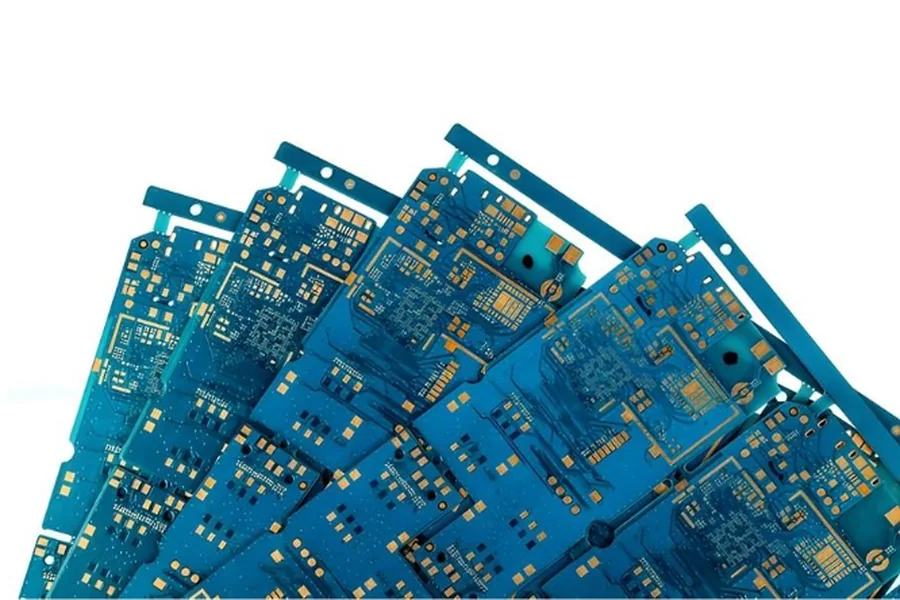
In today’s electronic-driven world, everything from household gadgets to industrial equipment depends on reliable circuit boards. Among the many types of PCB materials available, the FR4 Circuit Board has emerged as the most widely used and versatile option. Known for its excellent mechanical strength, electrical insulation, and cost-effectiveness, FR4 has become the backbone of modern electronics manufacturing.
The term “FR4” refers to a grade of flame-retardant fiberglass-reinforced epoxy laminate. It provides the base substrate that supports copper traces and components, allowing engineers to design circuits that are durable, efficient, and adaptable across multiple industries. Whether in consumer devices or aerospace technology, the FR4 Circuit Board continues to play a central role.
What is an FR4 Circuit Board?
An FR4 Circuit Board is a printed circuit board made using FR4 material as its core substrate. The FR4 laminate is composed of woven fiberglass cloth combined with epoxy resin, making it a strong yet lightweight material that can withstand high temperatures and mechanical stress.
Typically, FR4 boards consist of one or multiple layers of copper foil laminated onto the FR4 core. The copper layers are etched to create conductive pathways that carry electrical signals between components. Depending on the design, FR4 PCBs can be manufactured as single-layer, double-layer, or complex multilayer boards to meet the demands of advanced electronic devices.
Properties of FR4 Circuit Board
The success of FR4 Circuit Boards lies in their unique set of properties that balance performance and affordability.
- High Dielectric Strength: FR4 provides excellent insulation, preventing electrical leakage and ensuring safe signal transmission.
- Mechanical Durability: Its fiberglass-reinforced structure gives the board high mechanical strength, making it resistant to bending and physical damage.
- Thermal Resistance: FR4 boards can operate efficiently under a wide temperature range, making them suitable for both consumer and industrial applications.
- Moisture Resistance: The epoxy resin within FR4 prevents water absorption, ensuring stability even in humid environments.
- Flame Retardancy: As indicated by the “FR” (flame retardant) designation, FR4 materials can resist ignition and slow the spread of fire.
These properties make FR4 the default choice for most general-purpose electronic designs.
Types of FR4 Circuit Boards
Depending on the specific design and requirements, FR4 Circuit Boards can be classified into different categories.
Single-Sided FR4 Circuit Board
A single layer of copper is laminated onto the FR4 substrate. This type is widely used in simple consumer electronics and low-cost applications.
Double-Sided FR4 Circuit Board
Copper layers are applied to both sides of the substrate, with vias allowing interconnections. These are common in moderately complex devices like power supplies, printers, and lighting systems.
Multilayer FR4 Circuit Board
Multiple FR4 layers are stacked with insulating material in between. These boards are used in advanced electronics such as smartphones, medical devices, and automotive systems where compactness and higher functionality are essential.
Applications of FR4 Circuit Board
The versatility of the FR4 Circuit Board has made it the most widely used substrate in PCB manufacturing.
Consumer Electronics
From televisions and smartphones to wearable devices, FR4 boards serve as the foundation for millions of everyday gadgets.
Automotive Industry
Vehicles today use FR4 PCBs in control units, sensors, infotainment systems, and LED lighting.
Industrial Equipment
Automation systems, power converters, and communication modules rely on FR4’s durability and insulation properties.
Medical Devices
Diagnostic equipment, portable monitors, and imaging systems incorporate FR4 boards because of their reliability and stability.
Aerospace and Defense
Though specialized materials are sometimes required, FR4 Circuit Boards are still used in many aerospace systems where mechanical strength and flame resistance are crucial.
Advantages of FR4 Circuit Board
The FR4 Circuit Board has become an industry standard for several reasons. It offers a cost-effective solution while providing strong electrical performance. Its wide availability and compatibility with standard PCB manufacturing techniques make it easy for designers and manufacturers to work with. Furthermore, FR4 boards are adaptable, serving equally well in low-frequency consumer applications and complex multilayer industrial designs.
Another major advantage is its balance of weight and strength. FR4 boards are lightweight, which is essential for portable electronics, yet they provide structural rigidity to protect delicate circuits.
Limitations of FR4 Circuit Board
While FR4 is highly versatile, it does have limitations. For extremely high-frequency applications, such as advanced RF and microwave circuits, FR4 may not provide the necessary signal stability. Additionally, in high-power applications that generate significant heat, materials like metal-core PCBs or ceramics may be better suited. Despite these limitations, FR4 remains the most practical choice for the majority of electronic designs.
The Future of FR4 Circuit Board
The FR4 Circuit Board continues to evolve as manufacturing processes advance. With increasing demand for miniaturization and high-speed electronics, manufacturers are producing thinner, more precise FR4 laminates that support finer circuit patterns and higher-density interconnects. As industries push for more sustainable and efficient materials, innovations in FR4 composites will likely ensure its place in electronics for years to come.
Conclusion
The FR4 Circuit Board is the foundation upon which most modern electronic devices are built. Its combination of mechanical strength, thermal resistance, electrical insulation, and cost-effectiveness makes it indispensable across industries ranging from consumer gadgets to aerospace systems.
For businesses looking to ensure high-quality production and reliability, choosing the right FR4 Circuit Board Manufacturer is crucial. A trusted manufacturer can provide boards with precise specifications, consistent performance, and the durability required for today’s competitive electronics market.

A Relationship Manager for Celebrities’. Sharing my knowledge about your favorite celebrities’ son, kids and family