
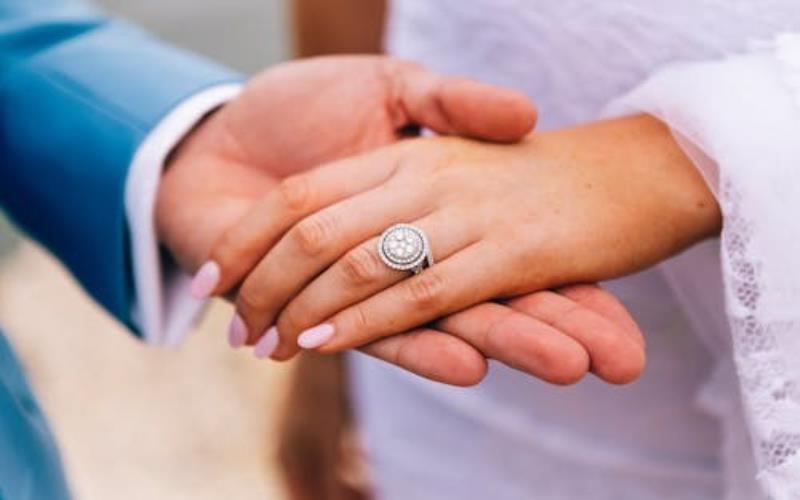
When it comes to choosing the perfect men’s ring, the choice of metal is a crucial factor. Men’s rings come in a variety of metals, each with its unique properties, appearance, and durability. The “best” metal will depend on your lifestyle, aesthetic preferences, and budget. Let’s explore some of the most popular metals used for men’s rings and their pros and cons, helping you make the right choice.
1. Tungsten: The Toughest Metal
Tungsten has become a top choice for men’s rings due to its incredible strength and durability. It is one of the hardest metals available, resistant to scratches and dents, which makes it perfect for men with active lifestyles or physically demanding jobs. If you’re a tradesman, mechanic, or athlete, a tungsten ring can withstand the daily wear and tear.
Pros:
- Highly scratch-resistant
- Durable and strong
- Affordable
- Comes in various finishes like matte or polished
Cons:
- Cannot be resized due to its hardness
- Brittle compared to other metals; can shatter under extreme impact
2. Titanium: Lightweight and Resilient
Titanium is another popular option for men’s rings, known for its lightweight feel and strength. It is hypoallergenic, making it a good choice for those with sensitive skin. Titanium offers a sleek, modern look and is resistant to corrosion, making it ideal for those who are frequently exposed to water, such as swimmers, divers, or surfers.
Pros:
- Lightweight and comfortable
- Hypoallergenic
- Corrosion-resistant
- Strong yet flexible
Cons:
- Not as scratch-resistant as tungsten
- Difficult to resize
3. Gold: A Timeless Classic
Gold has been a traditional choice for rings for centuries. Available in yellow, white, and rose varieties, gold offers a timeless elegance that can be passed down through generations. Gold is measured in karats, with 18K and 14K being the most common for men’s rings. Lower-karat gold (like 14K) contains more alloyed metals, making it more durable than higher-karat gold.
Pros:
- Classic and elegant
- Easy to resize
- Available in various shades
Cons:
- Softer than tungsten or titanium, prone to scratches
- Can be expensive, especially higher karats
4. Platinum: The Ultimate Luxury
Platinum is one of the most luxurious metals available for men’s rings. It’s rarer and more expensive than gold, known for its beautiful white luster that doesn’t fade over time. Platinum is dense and durable, making it a good choice for those seeking a heavy, premium feel. It’s also hypoallergenic and corrosion-resistant, like titanium.
Pros:
- Luxurious and prestigious
- Naturally white, doesn’t require plating
- Hypoallergenic
- Very durable
Cons:
- Expensive
- Can develop a patina over time (though many find this desirable)
- Heavy
5. Palladium: The New Platinum Alternative
Palladium is a relative newcomer in the men’s ring market but has quickly become popular. It’s part of the platinum family but is less dense, making it lighter and more affordable than platinum. Palladium shares platinum’s white color, hypoallergenic properties, and resistance to tarnish.
Pros:
- Lightweight
- Hypoallergenic
- Durable and resistant to tarnishing
Cons:
- Still relatively expensive, though less so than platinum
- Limited availability
6. Stainless Steel: Affordable and Durable
Stainless steel is an increasingly popular option for men’s rings due to its affordability and durability. While not as prestigious as platinum or gold, it’s a good budget-friendly option that still offers a sleek, modern look. It’s resistant to rust and corrosion, making it suitable for everyday wear.
Pros:
- Very affordable
- Durable and resistant to corrosion
- Low maintenance
Cons:
- Cannot be resized
- Not as prestigious as precious metals
7. Silicone: The Active Man’s Choice
For men who prioritize comfort and flexibility, especially during sports or physical activities, silicone rings are a top choice. Though not a metal, silicone rings offer a practical alternative for men who need a lightweight, flexible ring. They’re often used as backups to more expensive rings during activities where metal rings could be unsafe, such as weightlifting or construction work.
Pros:
- Affordable
- Extremely comfortable
- Safe for physical activities
Cons:
- Not as durable or stylish as metal rings
- Lacks the prestige of traditional metals
Conclusion: Which Metal is Best for You?
The best metal for your men’s ring ultimately depends on your lifestyle, preferences, and budget. If you’re seeking something incredibly durable and affordable, tungsten or titanium may be your best bet. For those who value luxury and tradition, gold or platinum could be the ideal choice. If you’re looking for a modern, lightweight, and hypoallergenic option, titanium or palladium will serve you well. And for men with highly active lifestyles, silicone rings offer a safe, comfortable alternative.
Take into account how much wear and tear your ring will experience, whether you have any skin sensitivities, and whether you prefer a lightweight or substantial feel. With so many excellent options available, there’s a perfect ring metal out there for every man.

A Relationship Manager for Celebrities’. Sharing my knowledge about your favorite celebrities’ son, kids and family